Station
Real gear, mostly in the order it was acquired — pulled directly from the QRZ bio — followed by three dedicated deep-dives (Mobile Station, Satellites, Moonbounce) that each cover their own build-up on their own timeline rather than being woven into the list above by date. For specs, reference links, and photos per item, see the Gear database.
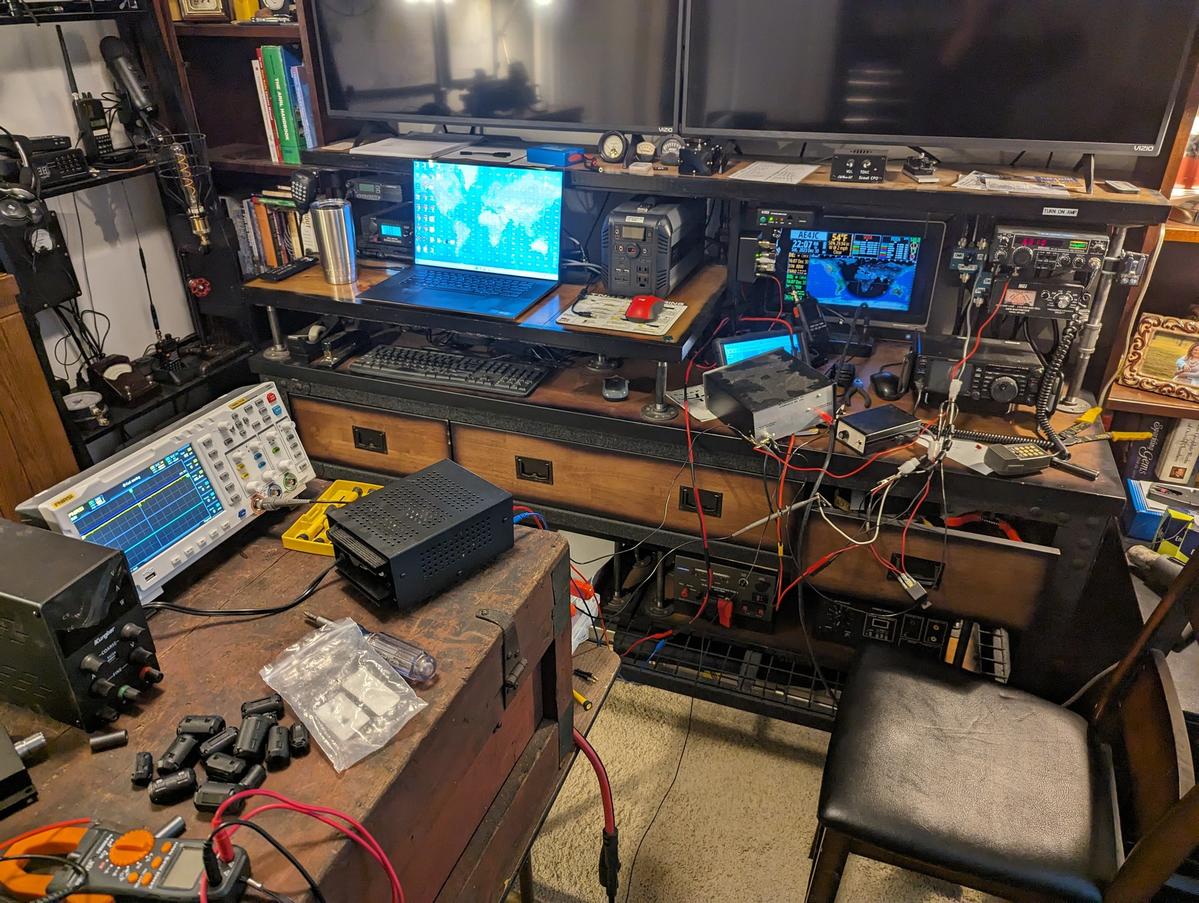
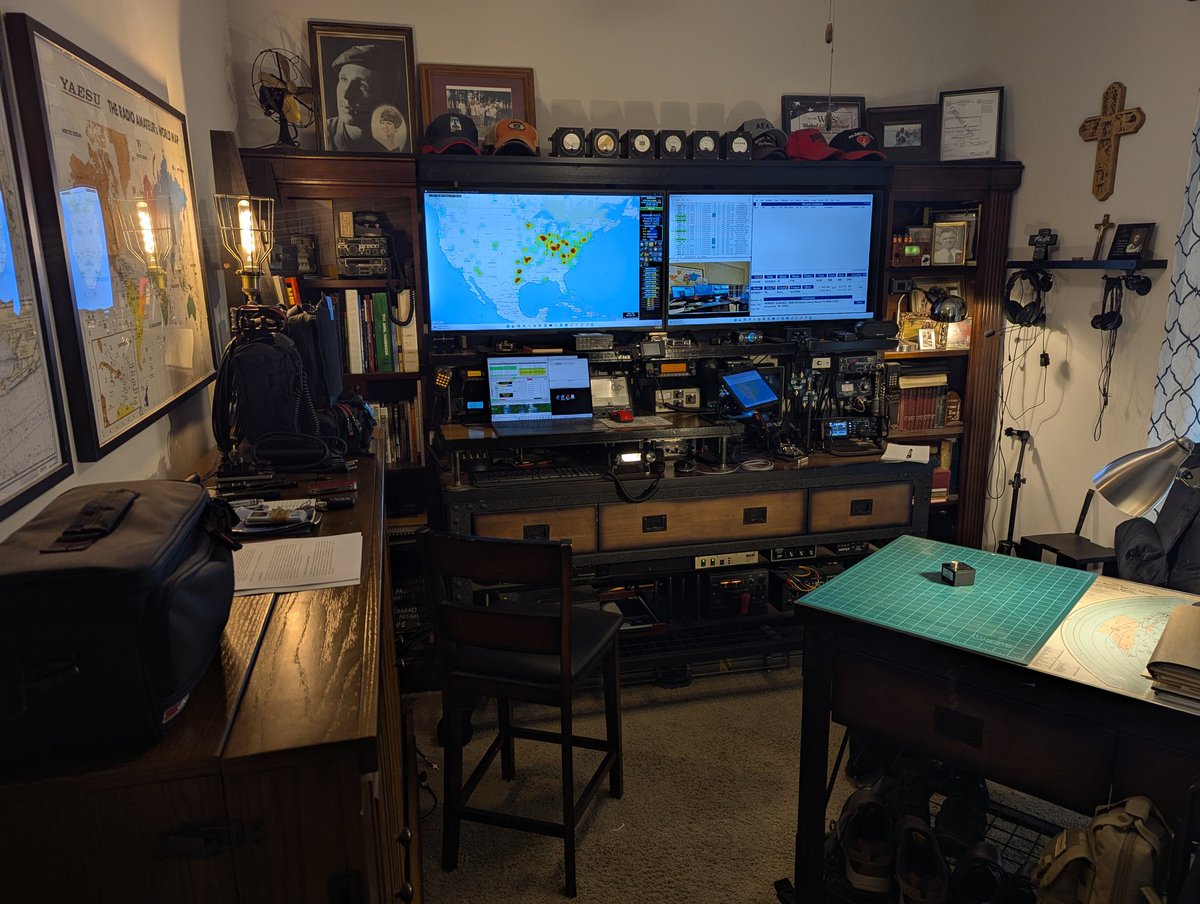
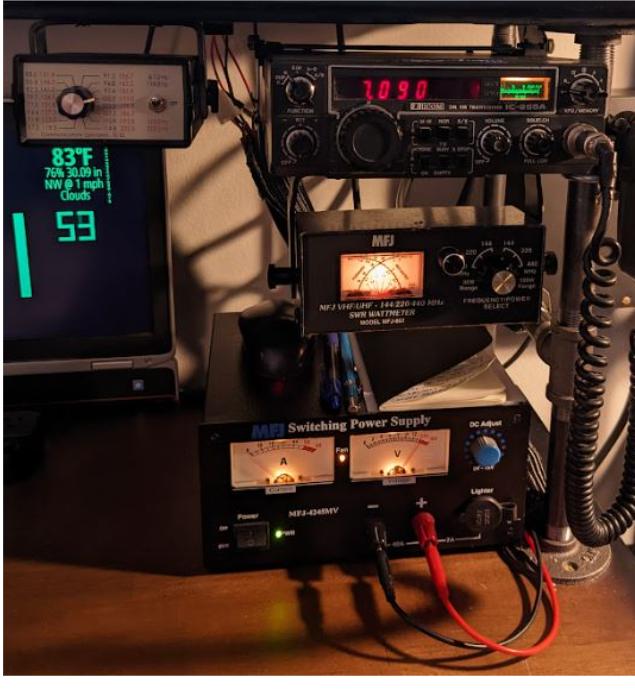
The shack, two ways: mid-troubleshoot (learning the oscilloscope and chasing an AC hum on the IC-255A/TE-32 combo) and tidied up for its well-known shot, shared to X and r/battlestations.
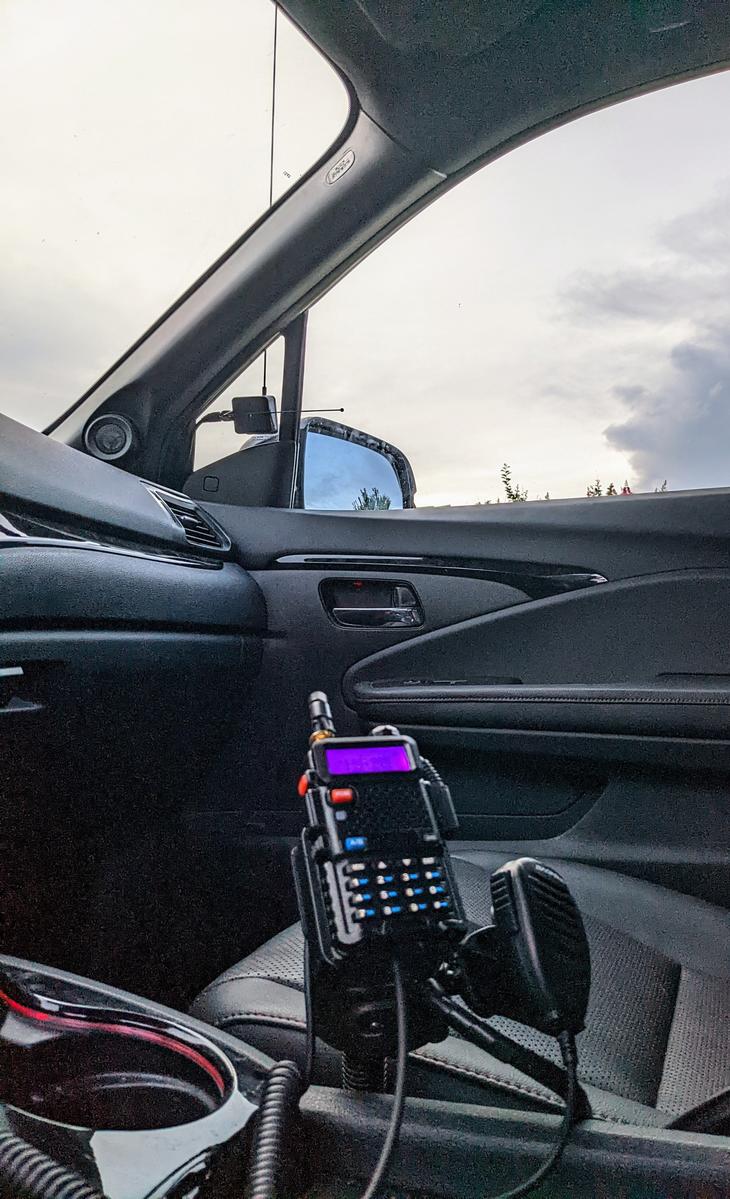
First radio: Baofeng UV5R. The primary mobile station for local FM repeater use for about a year — Spent More Than $188 On A $23 Radio And I’m Happy About It and Baofeng Mobile Still Going Strong.
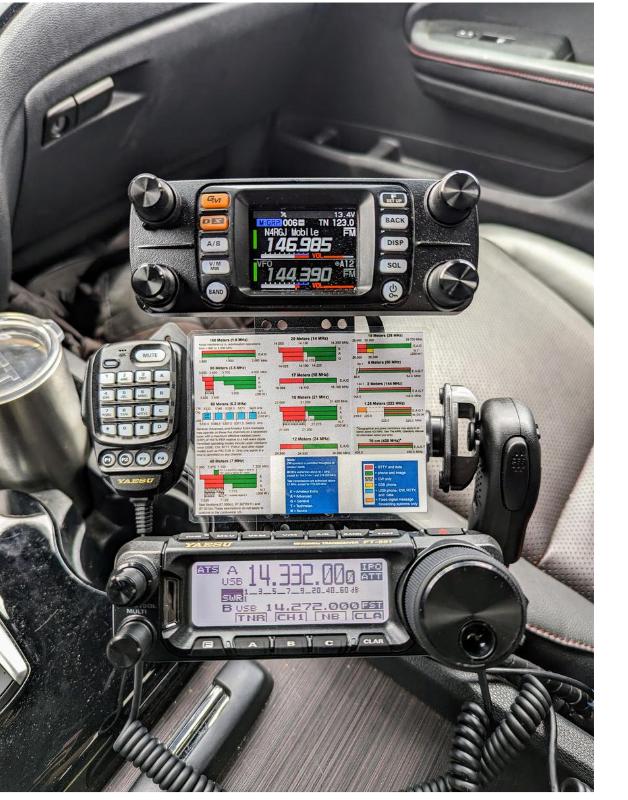
2024 upgrade: Yaesu FTM-300D and FT-891, mobile. A full video tour of the upgraded mobile station exists — Rain or Shine Mobile Ham Radio Station Tour, POTA DX and Local.
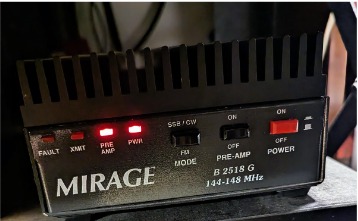
First eBay project radio: ICOM IC-255A. Paired with a Communications Specialists TE-32 CTCSS encoder (still working out a slight AC hum in the tone signal) and a Mirage B 2518 G amplifier, used for simplex FM band openings on 146.520 and local FM traffic on 146.490 — ICOM IC-255A WITH COM SPEC TE-32 CTCSS ENCODER.
A 2024 VHF band opening reached W4EFT in Foley, AL, KX5E in Mississippi (246 mi / 397 km), and WD5M in Texas (621 mi / 999 km), FM VHF simplex with a Comet-NCG CSB-790A at about 20 feet.
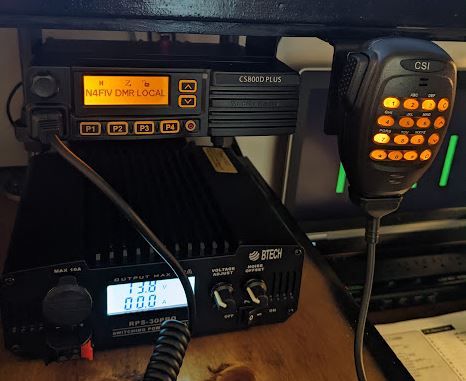
DMR: Connect Systems CS800D PLUS — New System and First DMR Contact Today.
Extra Class license — passed after two months of study; study materials, Concluded Two Months Of Study By Passing Extra Class Exam Today.

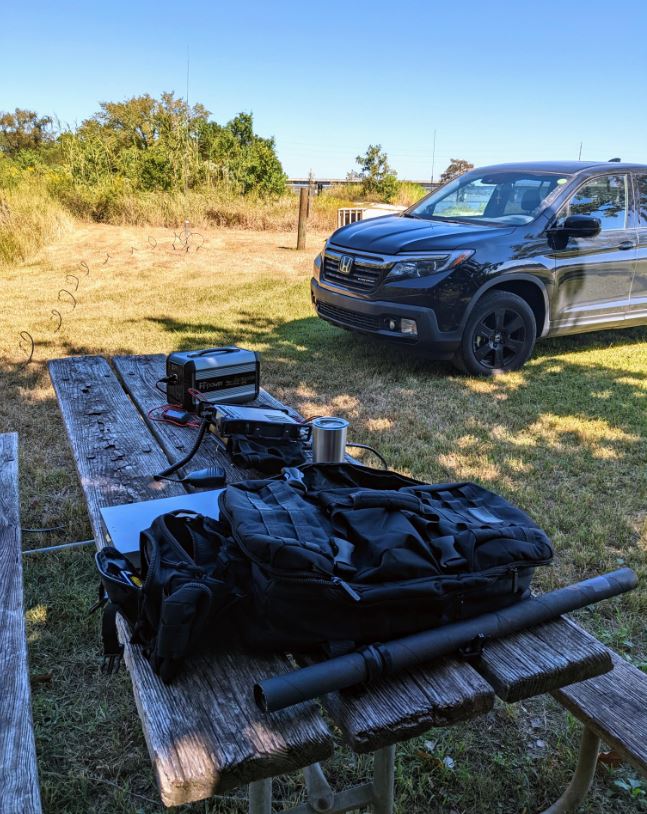
First HF setup: Yaesu FT-891 with a Wolf River Coil, portable. First test worked 6 states and the Caribbean islands — First Test of HF Portable Rig - Worked 6 States and The Caribbean Islands.
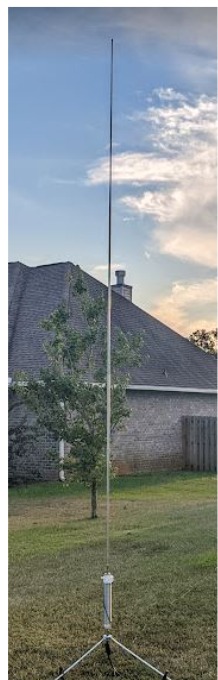
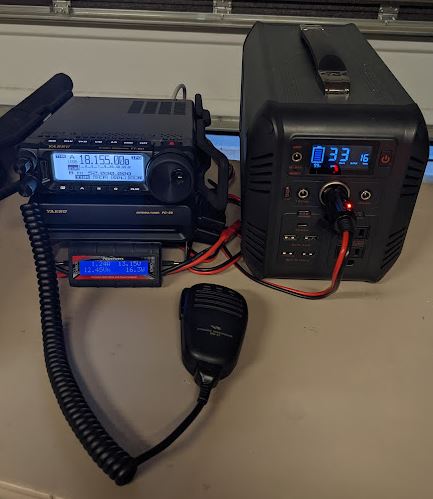
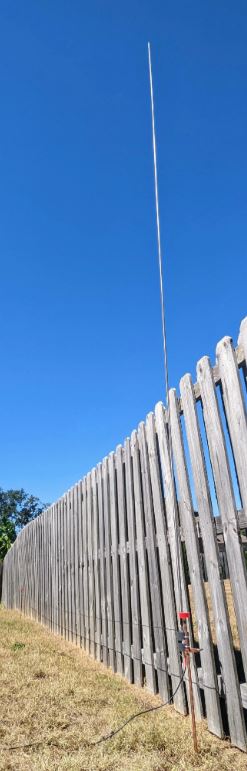
First POTA activation — First POTA Activation Info — followed by a permanent HOA-compliant setup: 100 watts HF through a Go2Antenna vertical, tucked along a fence line — My Go2 Antenna Information.
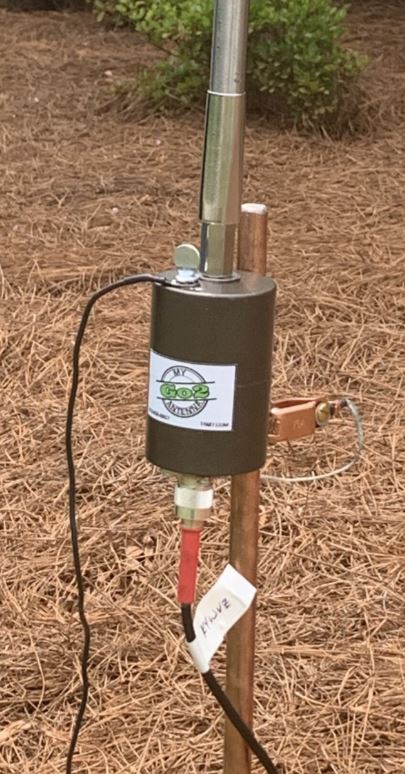
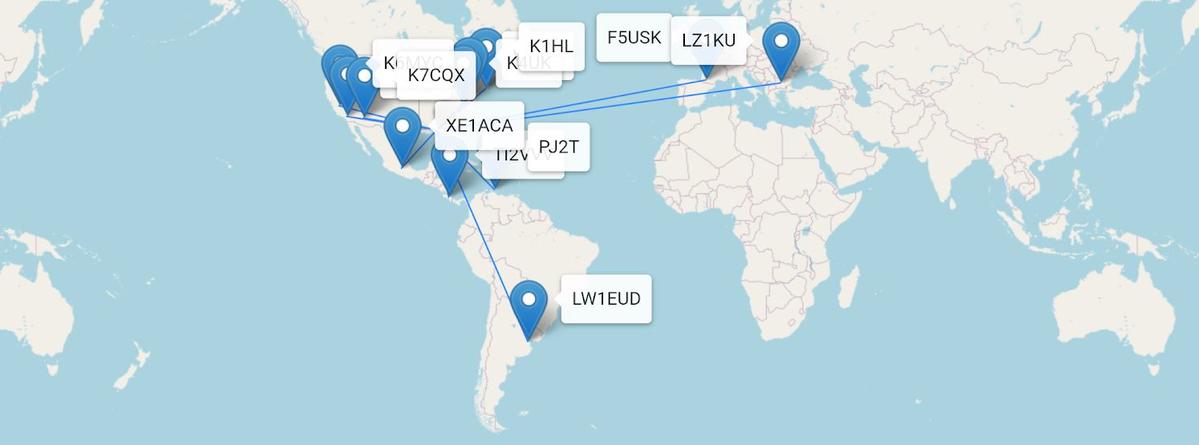
Daily SSB phone DX with the current shack setup regularly reaches Europe, the Caribbean, and South America.
Mobile Station
The mobile setup lives in a 2020 Honda Ridgeline, built up over several years into a station that’s always ready — no HOA tower to work around, powered straight off the vehicle, and doubling as a standing EMCOMM station any time the truck is running (see the acquisition history above for the Baofeng-to-FTM-300D/FT-891 upgrade path). The build progressed in visible stages, per the X post history: the Comet CSB-790A went up in May 2023, the Yaesu ATAS-120A and a bed-mounted 100Ah battery with cab-routed power/coax followed in spring 2024, and the first full video tour went up 2024-07-21. Two full video tours exist: Rain or Shine Mobile Ham Radio Station Tour, POTA DX and Local (that earlier build) and Mobile Hamradio Stuff (the most recent walkthrough, 2026-07-06). A fuller build-by-build timeline is planned as a future addition — this is a first pass.
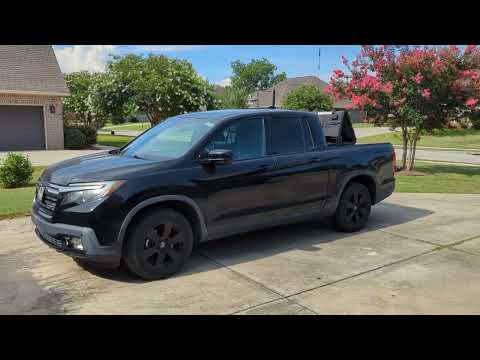
Current status: disassembled as of 2026-07-06 for scheduled vehicle maintenance (104,000 mi service) — gear pulled ahead of the shop visit to avoid damage. What follows documents the setup exactly as it stood right before teardown, filmed specifically to make reassembly straightforward.
Power & mounting: a 100Ah battery and charger in a bed-mounted box (charged roughly weekly, kept separate from the vehicle’s own battery to avoid getting stranded) runs all the radio gear; coax routes either to a fixed mount or a trailer-hitch mast, and a roll-down tonneau cover protects the battery once the antennas are unscrewed for clearance.
Antennas — three, each with a job (per my own 2025-12-10 rundown):
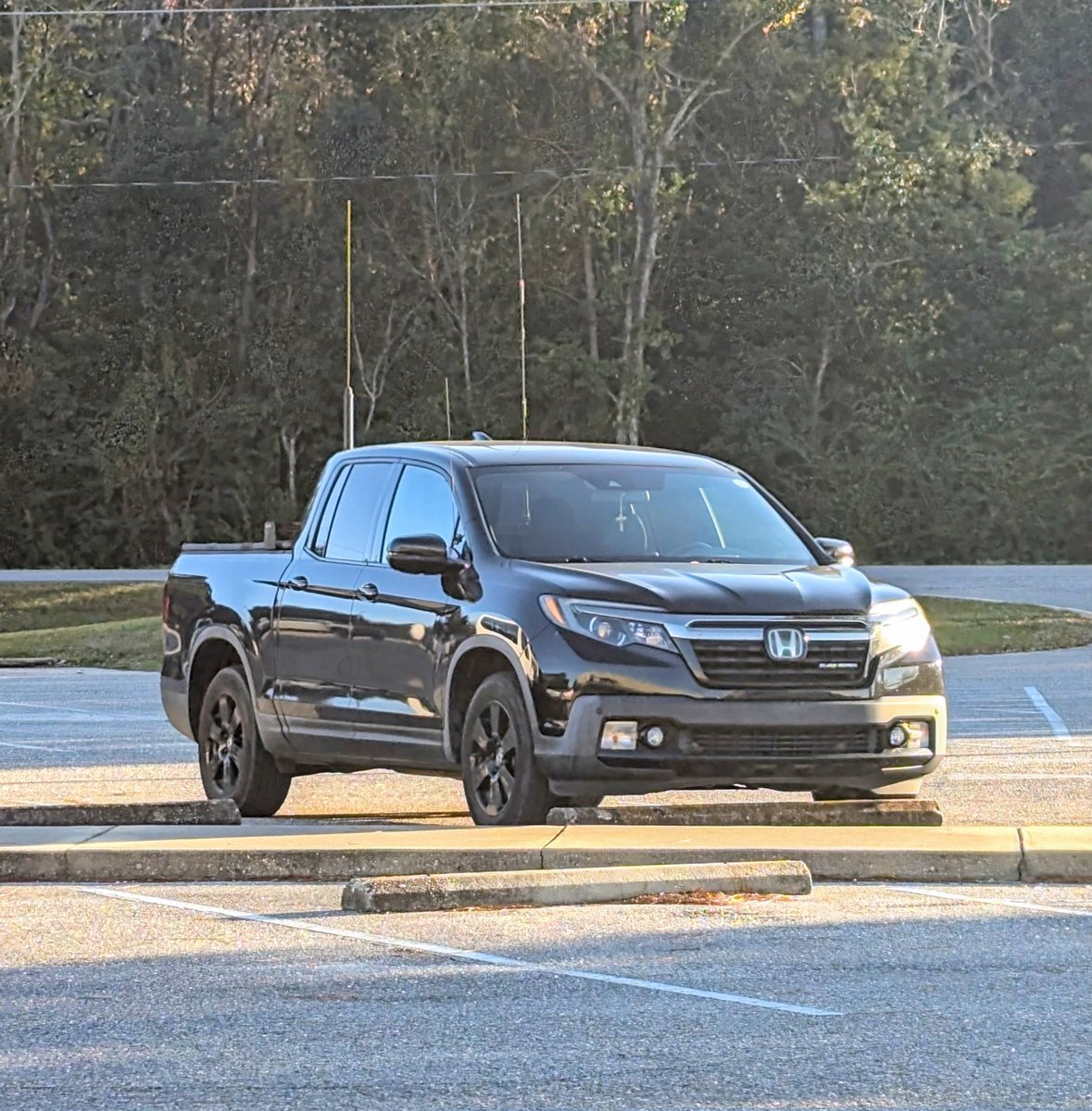
- Tram Browning 1191 (2m/70cm) — mostly for APRS
- Yaesu ATAS-120A — mostly for HF + 6m
- Comet-NCG CSB-790A — mostly for UHF/VHF voice
HF: a Yaesu FT-891 under the seat, antenna-switched into a 6m amplifier on its own dedicated battery, running through the ATAS-120A above — plus a dedicated HF speaker and hand mic on a magnetic mount.
VHF/UHF & APRS: a Yaesu FTM-300D handling local repeaters and always-on APRS (position beacon and text messaging) off the Tram Browning antenna, a small 2m amplifier reachable from the seat with its own duplexer, and a dedicated speaker.
GMRS: a Baofeng-family handheld in a mobile-link cradle in the center console, with its own battery and charger.
POTA/portable kit: a portable antenna kept in the bed for activations — model unconfirmed from the recording alone (sounds like a Chameleon-brand antenna), not yet in the gear inventory.
Other: a QuantumSDR with its own switch, a small solar trickle charger for the battery, and cabin audio wired through the vehicle’s own speakers — one button switches it between the HF and 2m radios.
Not yet catalogued from this walkthrough: the 6m amplifier, the 2m amplifier/duplexer, and the POTA antenna above — auto-generated captions weren’t reliable enough to pin down exact models, worth confirming directly rather than guessing.
Garage
A second, separate station, or as I put it: “my HOA hack-job ham radio shack in the garage.” Same HOA constraint that shaped the fixed-station antenna choices above, worked around a different way: rather than one visible antenna, the whole house’s aluminum rain gutters (plus the pool enclosure) are wired together into one large, invisible HF antenna.
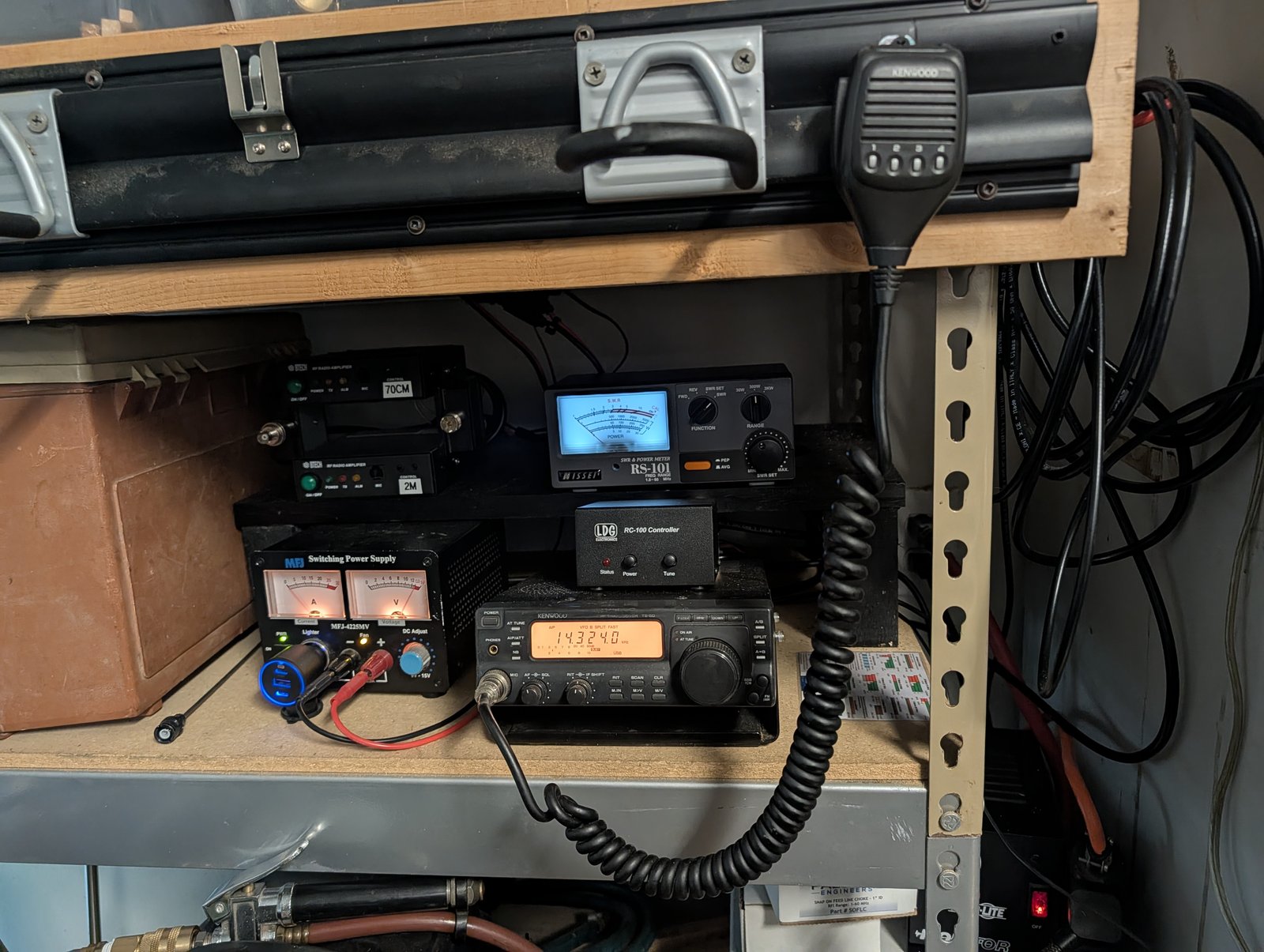
HF via the gutters: a Kenwood TS-50 at 100W, tuned through an LDG remote tuner system (RC-100 controller + RT-100 remote tuner unit, plus 4:1 and 1:1 ununs) with a NISSEI RS-101 SWR/power meter and an MFJ-4225MV switching power supply. Real contacts made through this setup include Bulgaria (LZ1KU), Canada (VA3AAA, and an attempt at PD9DX), Georgia (N4TAT, 288 mi), European contest stations, and a station aboard the USS Drum museum submarine across Mobile Bay — all on 20m SSB, several noted as ground-wave rather than skywave.
VHF/UHF & digital: two N9TAX Slim Jim antennas hidden in trees out front feed D-STAR, DMR, and analog VHF/UHF monitoring, plus a pair of rack-mounted BTECH amplifiers (70cm and 2m control heads) boosting a Yaesu FT-5D to ~20–30 watts for always-on APRS and repeater work.
Satellite/EME sub-station: the linear-satellite setup described above (IC-9700, Arrow antenna, FFpower unit) lives here too, on a rolling TV cart — portable enough to also run “out of the truck,” and used for Field Day, satellite work, moonbounce, and general 70cm/2m/1.2 GHz experimentation.
Also fighting RF noise on an ongoing basis out here — a TRIPP-LITE isolator added to cut noise, and at least one past case of tracking interference back to cheap power supplies stored in the garage and disconnecting them.
Not yet catalogued: the two N9TAX Slim Jim antennas, the TRIPP-LITE noise isolator, and an old repurposed Linux laptop still running the original HamClock — all real, recurring gear, just not yet individual inventory entries. A second repurposed laptop in the shack made the jump to OpenHamClock in March 2026; the garage unit is planned for the same upgrade.
Satellites (AMSAT)
FM satellites: Kenwood TH-D72A with an Elk antenna, handheld, tracking passes in real time — video of the FM Satellite Station in Action, CAS-3H LilacSat-2 Sat Contacts.
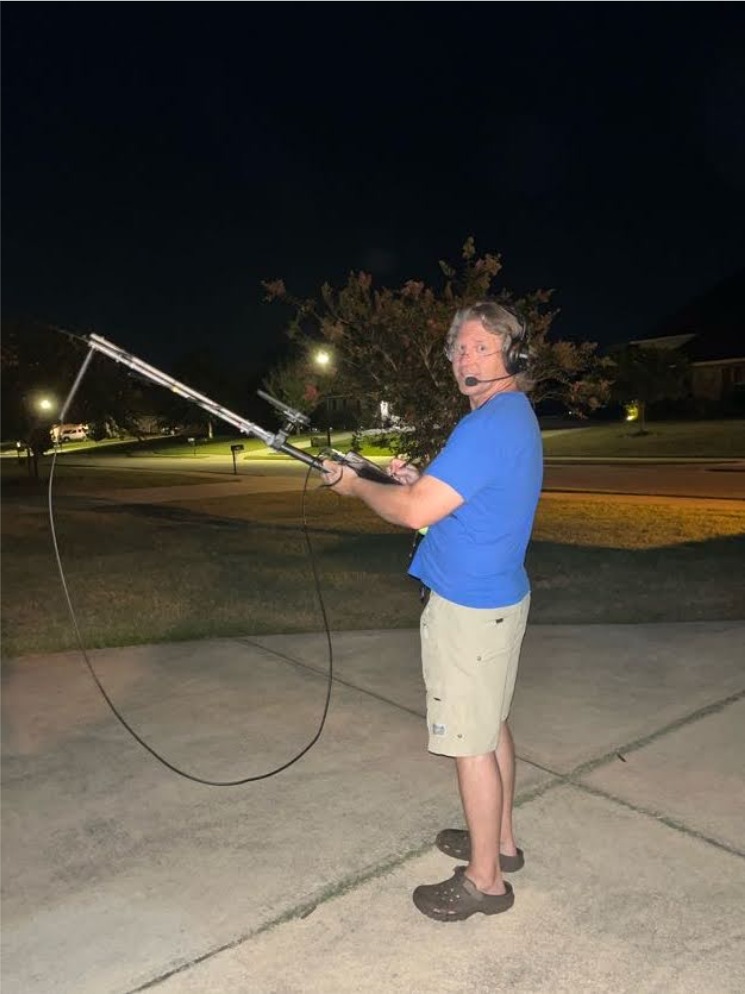
Linear satellites: ICOM IC-9700 with an Arrow antenna, an FFpower unit with a Powerpole front-face mod, and an Android phone running the Look4Sat app for tracking — Linear Satellite Ham Radio Demonstration.
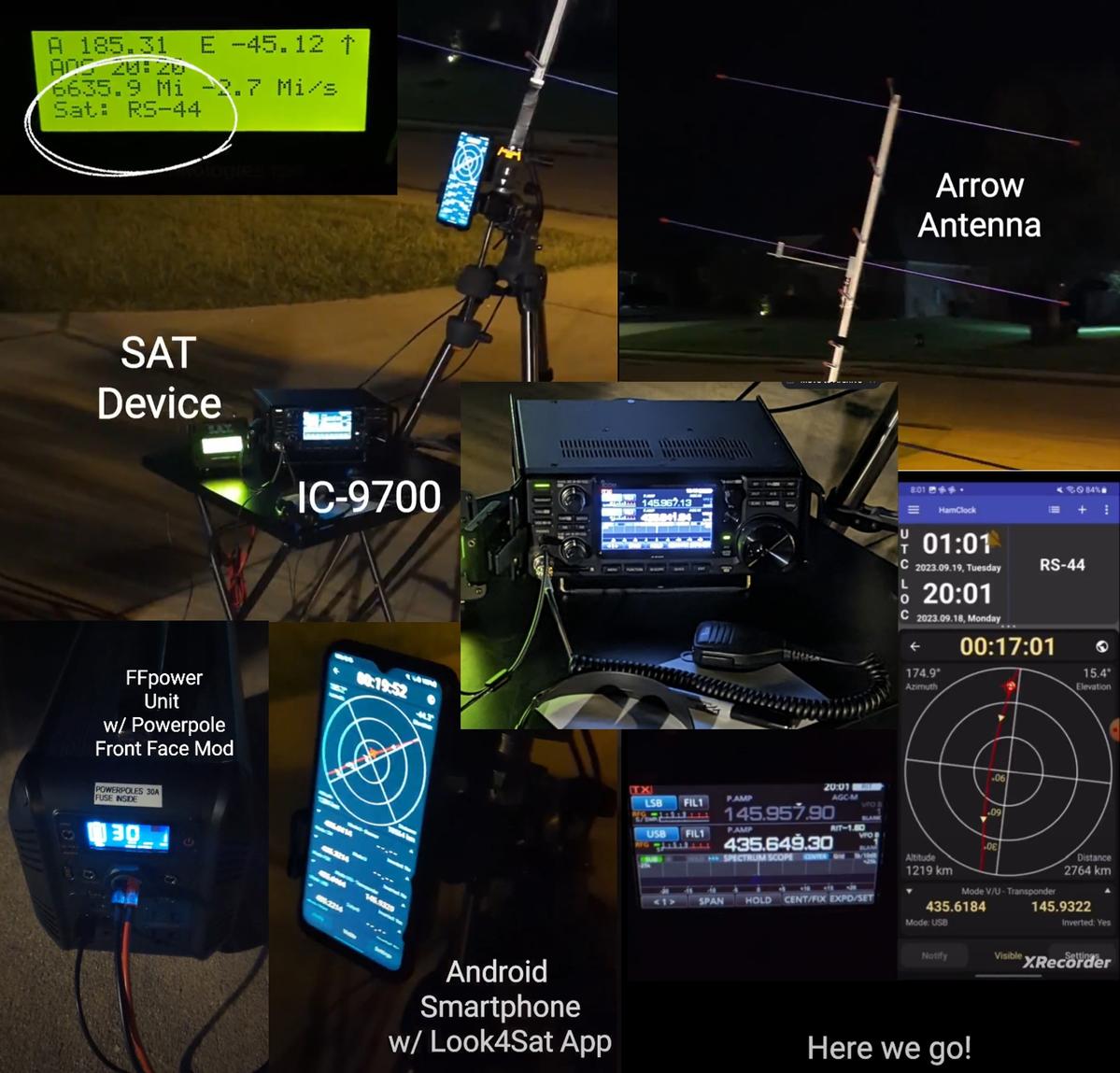
Video demonstrations of both stations, and ongoing project videos, are on the AE4JC YouTube channel — see News for the running list.
Why pass predictions work at all: a satellite’s orbital period depends only on Earth’s mass and orbital radius — the satellite’s own mass cancels out of the math entirely, the same Keplerian principle that underlies the more complex SGP4 model powering every Look4Sat prediction above.
Moonbounce (EME)
Building a portable 23cm (1.2 GHz) EME station, largely by repurposing existing AMSAT gear: an ICOM IC-9700, a 1.8m dish with feed and mount (W2HRO), and a Yaesu G5500 az/el rotator already on hand from satellite work. Still needed: real transmit power (targeting a Kuhne MKU PA 23CM amp, >50W output) and an M2 PR5500 mod for the G5500 to sharpen tracking accuracy — “if I were starting from scratch, I probably would never start… it’s helpful that I already had much of this gear accumulated over time for Satellite ops.”
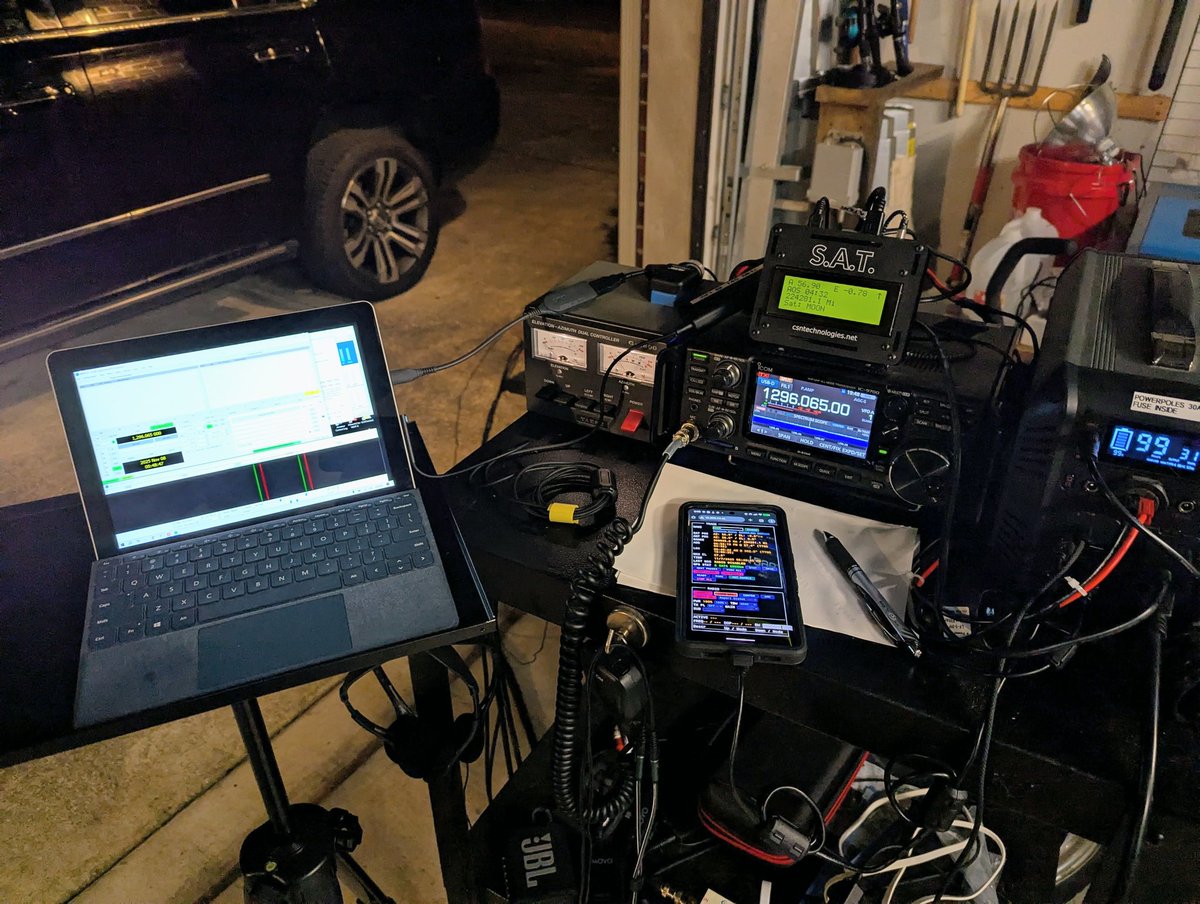
The full sourcing checklist, as of 2025-11-16 (no update found since):
- Antenna: 1.8m dish with feed and mount (W2HRO)
- AzEl position: Yaesu G5500 rotator
- AzEl tracking accuracy: M2 PR5500 mod for the G5500
- HF amp power: >50W output (targeting a Kuhne MKU PA 23CM, 1200W)
- HF amp power supply: LiTime 48V (51.2V) 100Ah battery
- Backup power: Honda 2200i generator
- Preamp: LNA & isolation relay (W2HRO)
- Radio: ICOM IC-9700 with a Leo Bodnar mod
- Radio/device power: modified FFpower 12V 40Ah
- PC: Surface tablet
- Software: WSJT-X (Q65 mode), ICOM PTT interface, NetTime for precise time sync, CSN Tech for moon tracking
- Coax: LMR400
Reference guide I’m using for the build: JT44 / weak-signal EME operating guide (PDF).
First-ever EME moonbounce decodes came 2025-10-12, with NC1I doing the heavy lifting and HB9Q also decoded the night before, both on 23cm.
What it takes to hear the moon talk back
A deep dive on Carsten Grøn, OZ9AAR’s 23cm EME station — one of the rare setups that can produce audible SSB echoes off the moon, not just digital decodes:
- Antenna: a 4.8m parabolic dish (f/D 0.4) with a custom OM6AA-style septum feed and choke
- Power: two combined 600W LDMOS modules (W6PQL boards), mounted close to the dish on the elevation arm to minimize feedline loss (~0.59 dB to the feed), driven from an IC-9700
- Receive & control: an LNA at the feed for very low system noise, a custom REPAM monitoring system (power, SWR, current, temperature, humidity) with fast protection, and a custom rotor controller with storm-parking
- Results: dozens of QSOs including SSB contacts and audible echoes on one of the first serious days with the new system — the project has been presented at the EME2026 conference
What it really takes for audible echoes, distilled from that thread: a high-gain antenna, real power delivered efficiently at the feed, very low system noise (LNA placement matters), good feed design with low losses, and solid monitoring/protection.
For running the actual numbers on an EME link budget, OZ9AAR’s SimpleCalc tool is the one to use — see specifically the required gain vs. cable losses section.
More EME posts and attempts on the EME topic page.
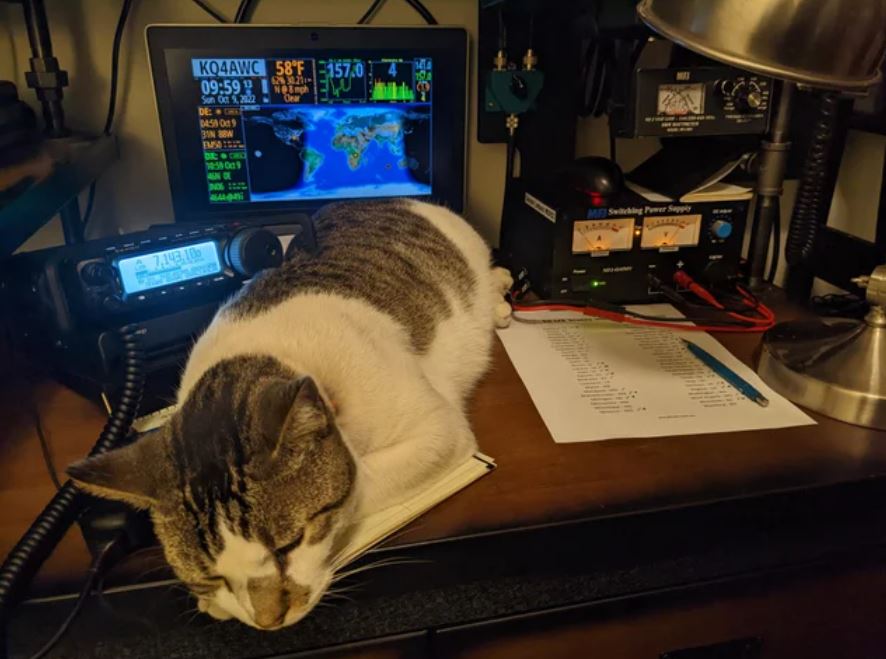
Shack supervisor, on duty.