Engage New Hams: Survey of Starter Radios (1955–2026) – Building a Functional and Rewarding Hobby
June 2026
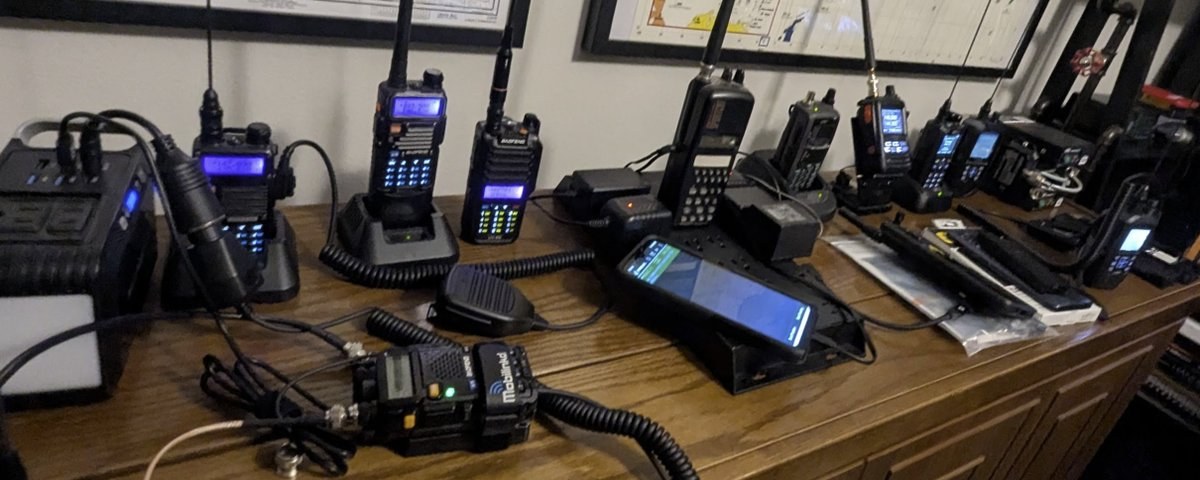
The Present Challenge: A new ham gets their Technician license and a radio, excited to get on the air … but often struggles to find meaningful activity. The hobby thrives when it is both functional (your gear actually works and makes real contacts) and challenging (a continuous learning and growing activity with progressive goals).
To understand more, I asked the ham community on X, Reddit, and Facebook:
Two questions:
- What year were you first licensed?
- What were your first two radios?
Purpose: To learn how starter gear has evolved and what new hams (who typically start as Technicians) actually have today — so we can work together to create activities that deliver real on-air success right away while offering clear paths for ongoing learning and growth.
Results: 128 responses across platforms.
Full anonymous dataset + chart here: https://docs.google.com/spreadsheets/d/1M1KD91Smh2u89C-VkOVpipuJsK-ASD8YBJP_I25vzC8/edit?usp=sharing
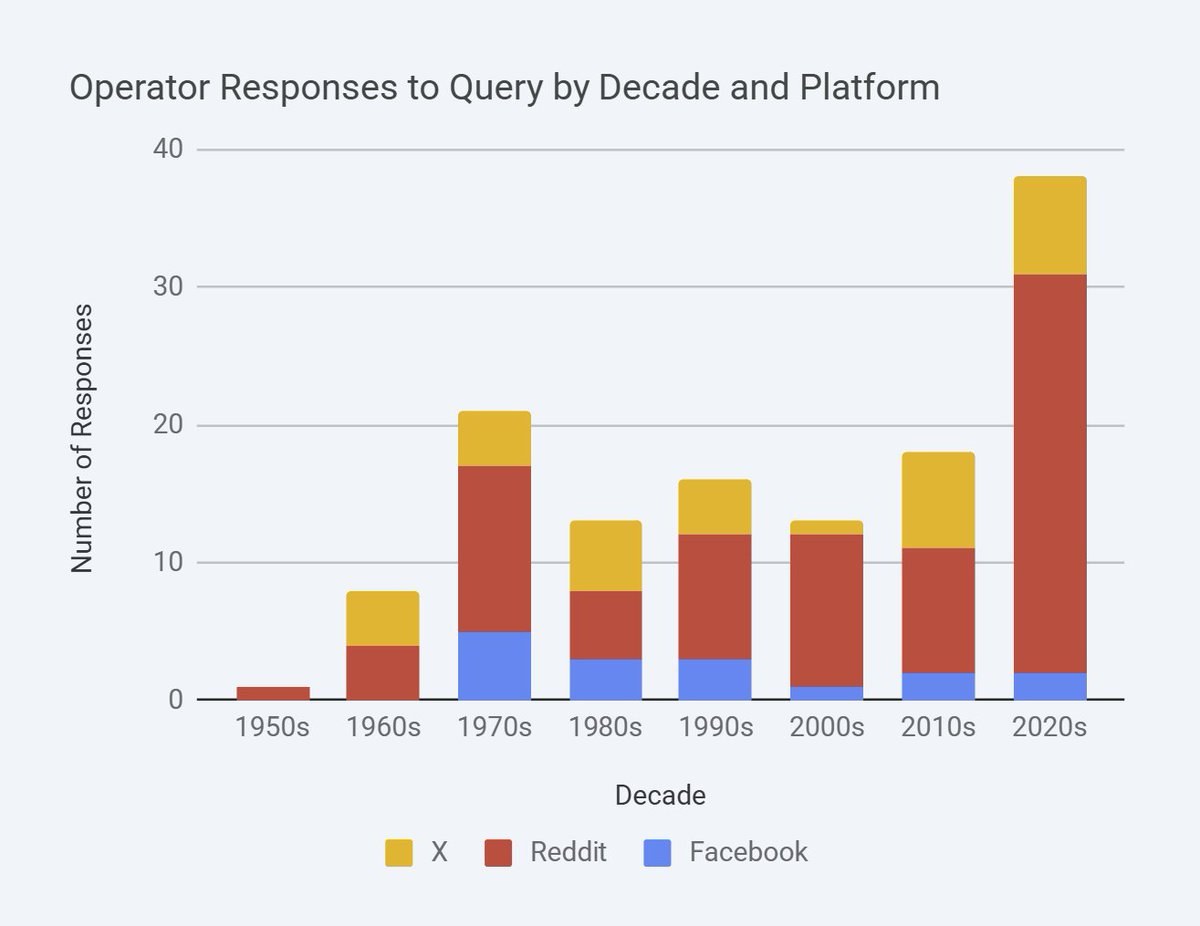
Evolution of Starter Gear (Bands & Modes)
- 1950s–1960s (Tube Era): Separate receivers & transmitters, kits, military surplus, and heavy homebrew. Mostly HF-focused with CW/AM. Limited VHF/UHF.
- 1970s–1980s: HF kits and early solid-state. Expanded CW/SSB with emerging VHF FM.
- 1990s–2000s: Ready-made Japanese transceivers and mobiles. Better VHF/UHF FM.
- 2010s–2020s (Modern Era): Baofeng UV-5R variants dominate as affordable VHF/UHF FM HTs.
This shows a clear shift to simple VHF/UHF gear for new hams.
Key Trend: Before ~2000, nearly all new hams started with HF gear. Since ~2015, the overwhelming majority have started with a VHF/UHF FM handheld (Baofeng and similar models now dominate). This represents one of the biggest shifts in entry-level equipment in ham radio history.
Technician License Limitations (Key for Newer Hams)
Most new hams start as Technicians. The current license structure was established in the FCC’s major restructuring effective April 15, 2000.
Technicians have:
- Full privileges on VHF/UHF (above 50 MHz): All modes — perfect for functional local communication.
- Limited HF: Mostly 10m + some CW.
Strong VHF/UHF FM capability is the practical foundation.
Responses by Era (Selected Replies + Typical Capabilities)
1950s–1960s
- 1955: Heathkit AT-1 + Hallicrafters S-85 — HF CW/AM
- 1961: Hallicrafters SX-140 + HT-40 — HF CW/AM
1970s
- 1972: Heathkit DX-60 / HW101 — HF CW/AM/SSB
- 1975: Heathkit HW-16 — HF CW
1980s–1990s
- 1991: Radio Shack HTX-202 + Alinco DR-570T — VHF/UHF FM
- 1993: Yaesu FT-2200 + FT-530 — VHF/UHF FM
2000s–2010s
- 2003: Icom T90A + Yaesu FT-817ND — HF/VHF/UHF
2020s
- 2022: Baofeng BF-F8HP + Radioddity DB20-G — VHF/UHF FM
- 2024: UV-5R + IC-706mk2 — VHF/UHF + HF
(Baofeng variants appear in ~30+ responses — the modern entry point.)
Here’s a link to the original X post: https://x.com/mwfoutch1/status/2065145127132094618?s=20
Here’s a link to the Reddit post: https://www.reddit.com/r/HamRadio/s/AGVcrbCZJC
Recent New Ham Experience (AE4JC)
When I was first licensed in 2022, the very first thing I did was learn how to find and use local repeaters — exactly what the data shows most new hams do today. That gave me immediate functional contacts and helped me feel part of the community. I was also interested in FM simplex (especially 146.520 MHz), but I rarely heard anyone there. I listened for satellites and made a couple of contacts, but basic HT gear isn’t reliable for consistent 2-way work, and operating without full-duplex often ruins the experience for others. I didn’t get into POTA until after upgrading to General and Extra.
Typical Entry-Level Gear and What It Costs
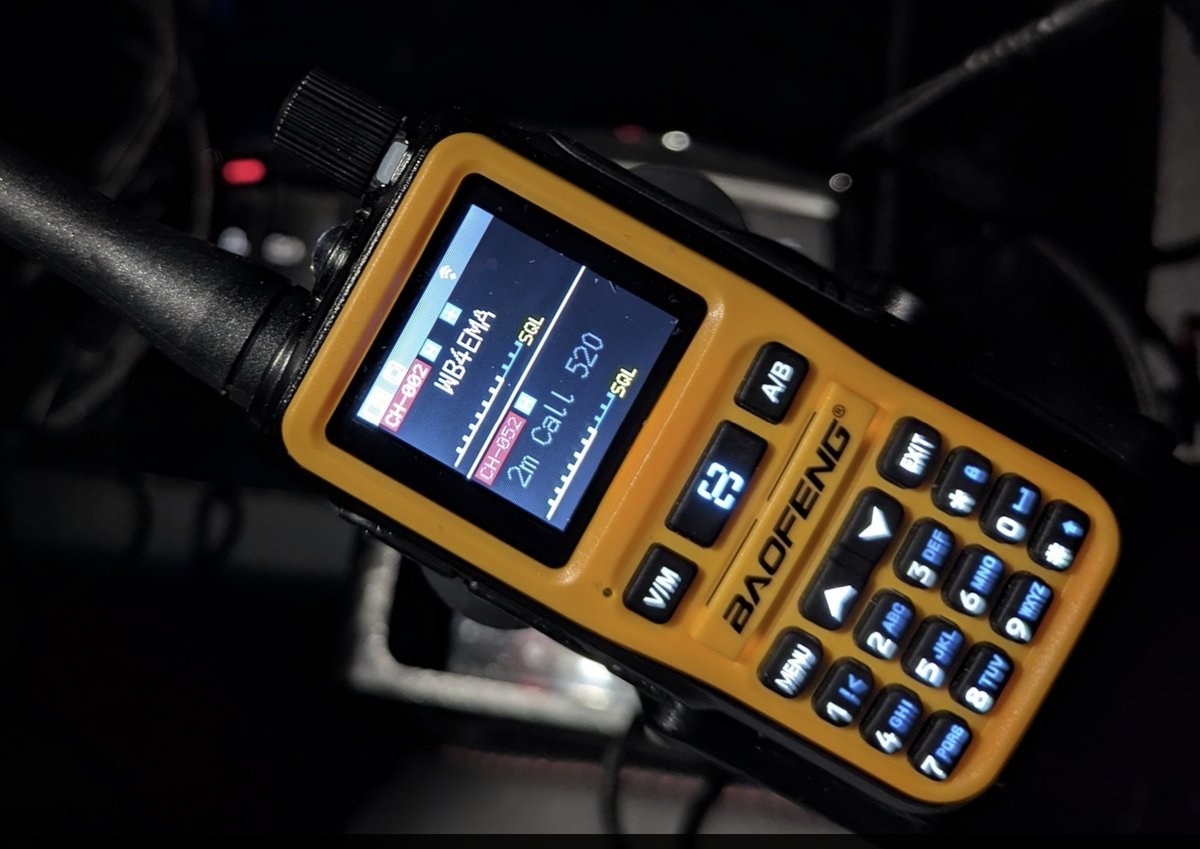
Typical starter setup: Baofeng UV-5R-style HT (~$20–$35) + basic antenna. Total cost: $25–$60.
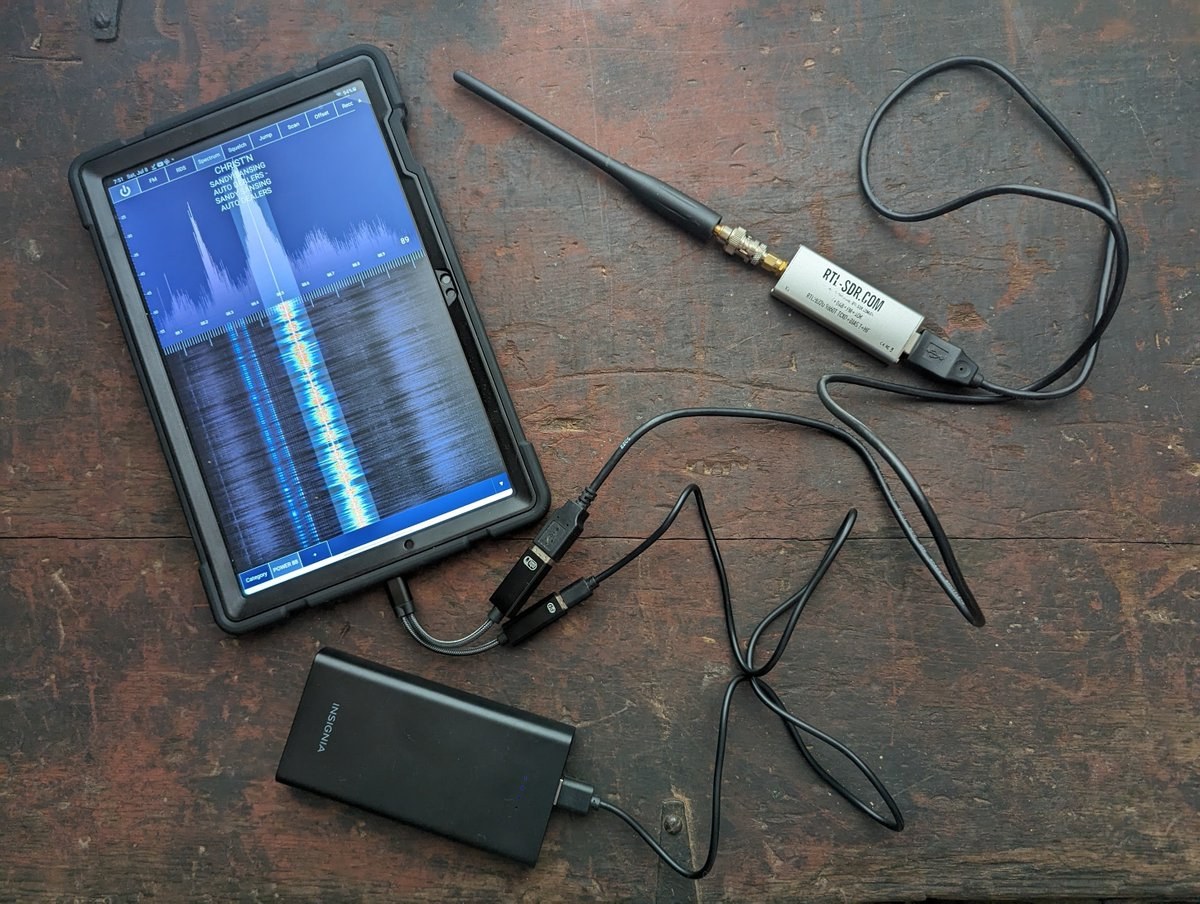
Listen-only option: RTL-SDR dongle (~$25–$35). With an antenna and adapters, total SDR cost: ~$40.
Activities New Hams Can Do with That Gear
Pre-licensed (No license needed): Listen to repeaters and satellites, record, and submit reports online.
Basic: Local repeaters and occasional simplex. Realistic range: Repeaters 10–50+ miles; simplex usually 1–5 miles (often 1–3 miles with stock antenna in real-world conditions). Activities: Repeater check-ins, mobile ops, nets.
Intermediate: Hilltopping, fox hunts, local contests. Add Arrow/Elk Yagi (~$80–$150) for better reach (20–100+ miles from good spots). Added cost: $50–$200 total.
Advanced: Satellite QSOs, VHF contests, digital modes, POTA on VHF/UHF. Entry-level full-duplex satellite: Icom IC-2730A (~$340) + Arrow/Elk Yagi + coax + headphones → ~$550–$650 total. Full-duplex is strongly recommended.
Guide for Structuring Activities to Include New Hams
To make the hobby both functional (your gear works and makes real contacts) and challenging (a continuous learning and growing activity):
- Primary focus on 2m FM (144–148 MHz): Use 146.520 MHz simplex and local repeaters for immediate functional activity.
- 70 cm (420–450 MHz): 446.000 MHz simplex and local repeaters.
- Easy expansions: 6m FM/SSB and 10m SSB/FT8 when conditions allow.
- Activity Ideas: Regular VHF/UHF nets, simplex check-in events, Technician-friendly POTA activations, mobile check-ins, fox hunts, hilltopping, local contests, and group monitoring sessions.
With the data showing that the vast majority of new hams since ~2015 start with a VHF/UHF FM handheld, centering activities on 2m FM repeaters and simplex is currently the single most effective way to give newcomers immediate, functional contacts and help them stay engaged.
Thanks to everyone who replied! Let’s continue building local communities that make ham radio functional and rewarding for newcomers. 73 de AE4JC
Verify you're not a bot to load comments: