EverStart 27DC Lead-Acid vs. LiTime 12V 100Ah LiFePO4 Battery Comparison
May 2026
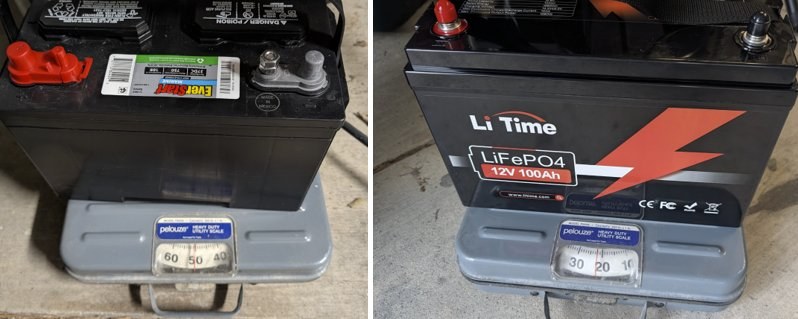
Huge Weight and Performance Difference: Why the LiTime LiFePO4 is Better for Powering a Portable 6-Meter Ham Radio Amplifier
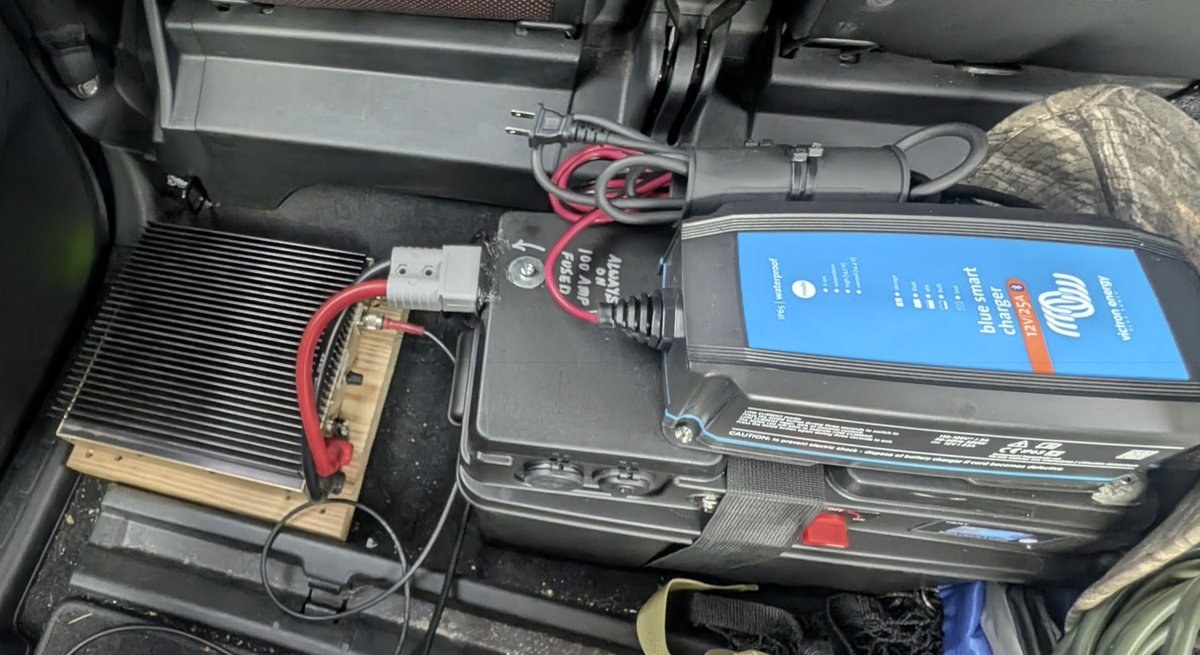
I spend a lot of time on portable ham radio — Field Day, POTA activations, rover operations, etc. One of my key pieces of gear for 6-meter SSB portable DX is an old TE Systems amplifier that puts out up to 375 watts with 25-40 watts of drive and pulls roughly 48–55 amps at full power.
To power it in a portable situation, I started with the EverStart 27DC flooded lead-acid battery. It was only around $100, same physical size as the lithium option, and I thought the low price made it the smart, practical choice for running the amp in the field.
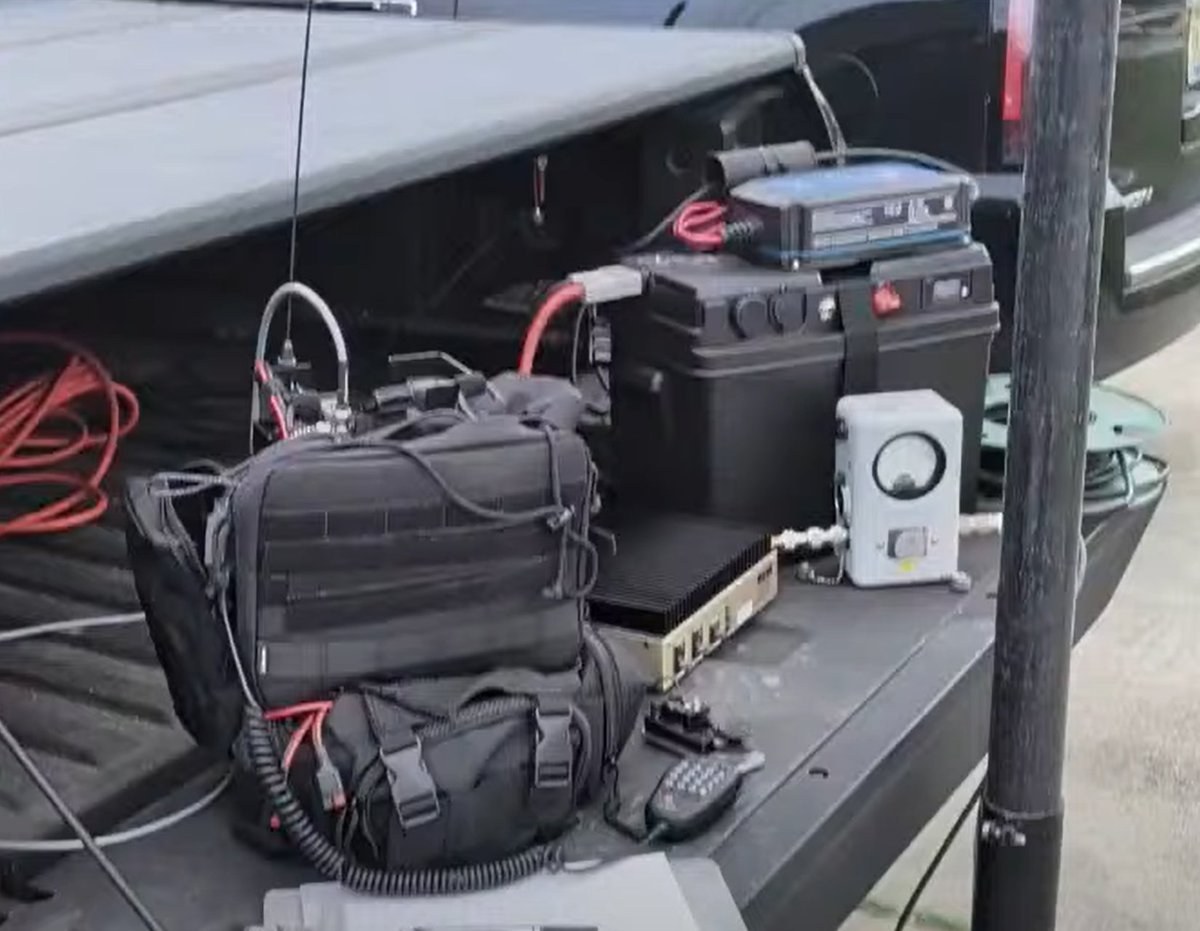
Real-world use quickly showed the limitations. Under the heavy 50+ amp transmit loads, the lead-acid battery’s voltage sagged noticeably. The amplifier is voltage-sensitive — output power drops sharply as soon as the supply voltage falls. The EverStart also restricted me to only about 50% depth of discharge for decent cycle life, giving me roughly 55 Ah of usable capacity. At 50 pounds, it was heavy and awkward to move around.
That experience, along with a recommendation from a friend, pushed me to try a LiTime 12V 100Ah LiFePO4 this week. Here’s the full head-to-head comparison based on my actual use with both batteries.
Ham Radio Considerations
For hams running mobile rigs, portable activations, or emergency setups, the LiTime LiFePO4 stands out — especially with high-current gear like a portable 6-meter RF power amplifier.
The LiTime delivers noticeably better performance for this amplifier because:
- Stable voltage under load — It holds a flat 12.8–13.2V curve for almost the entire discharge, keeping the amp close to its preferred 13.8V operating point and delivering consistent full power during long QSOs or contesting.
- Higher usable capacity — I can safely use 80–100% of its 100 Ah rating, giving me roughly double the operating time compared to the EverStart in the same size battery.
- Low internal resistance and high current delivery — It handles the 55A peaks with minimal sag, so the amp runs strong without power fluctuations.
- Portability — At just 22 lbs instead of 50 lbs, it’s easy to carry for rover operations or quick setups.
- Maintenance-free and faster recharging — No watering, no gassing, and it charges in 2–4 hours versus much longer for lead-acid.
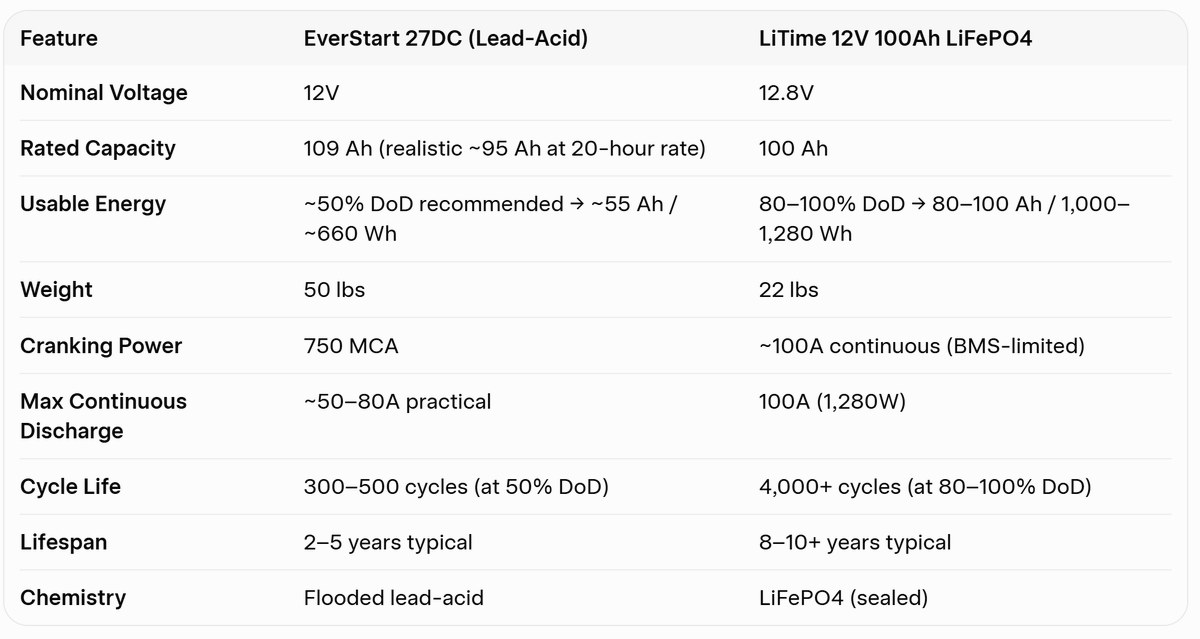
Specs Side-by-Side
Power and Performance
The LiTime gives roughly double the usable energy in deep-cycle applications because I don’t have to limit myself to 50% discharge like I did with the lead-acid. It also avoids the quick capacity loss under high loads that lead-acid experiences due to Peukert’s Law. While the EverStart has stronger cranking amps for dual-purpose use, the LiTime is clearly superior for steady, high-draw ham radio work.
Temperature Performance
In coastal Alabama, both batteries handle the heat fine, but the LiFePO4 performs better in the cold. Lead-acid can lose 20–40% capacity below freezing and risks freezing if deeply discharged. The LiTime discharges well down to -4°F, though its BMS blocks charging below 32°F (self-heating models are available for colder areas).
Charging Requirements and Limitations
Charging needs differ significantly.
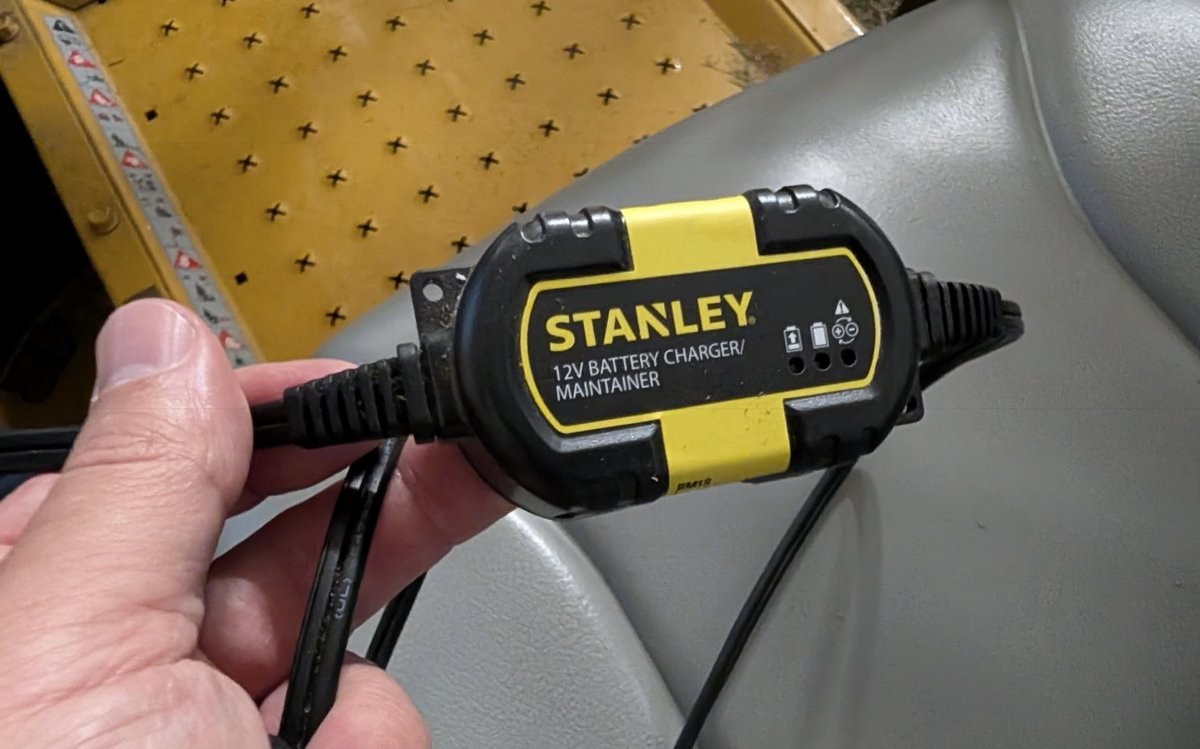
The EverStart works with any standard 3-stage charger (14.4–14.8V bulk/absorption), but it requires ventilation and periodic watering.
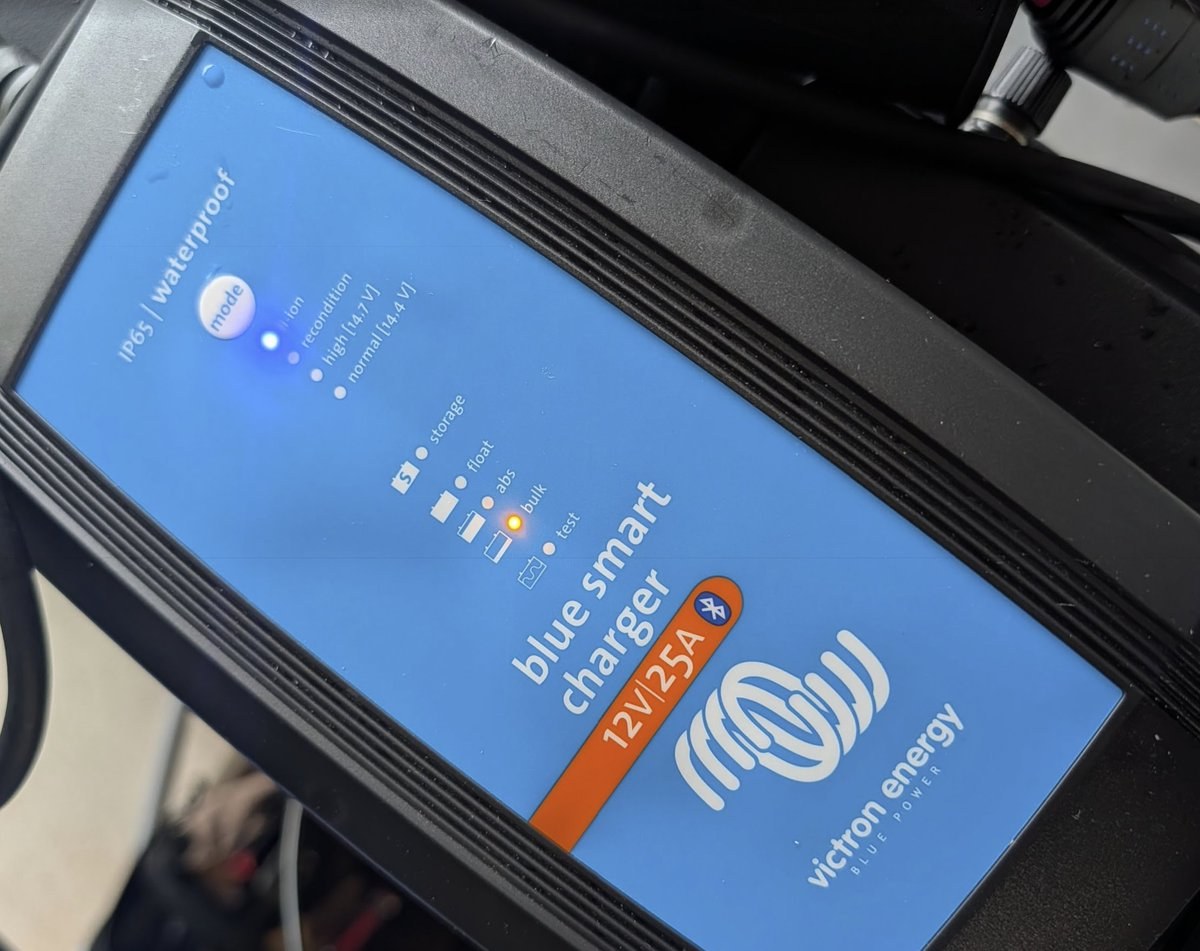
The LiTime needs a LiFePO4-compatible charger set to 14.4V ± 0.2V. It accepts up to 100A, so it charges much faster and more efficiently. Many smart lead-acid chargers work temporarily but aren’t ideal long-term. The BMS protects the cells by preventing charging below 32°F, but discharge works fine in colder temps. I use a dedicated lithium charger or MPPT controller for best results.
Applications
Both batteries work for marine house banks, RVs, trolling motors, solar storage, and backup power. The EverStart is still a solid low-cost option for light or occasional use where cranking amps matter. For frequent deep cycling and portable ham radio like mine, the LiTime is the clear winner.
Advantages and Disadvantages
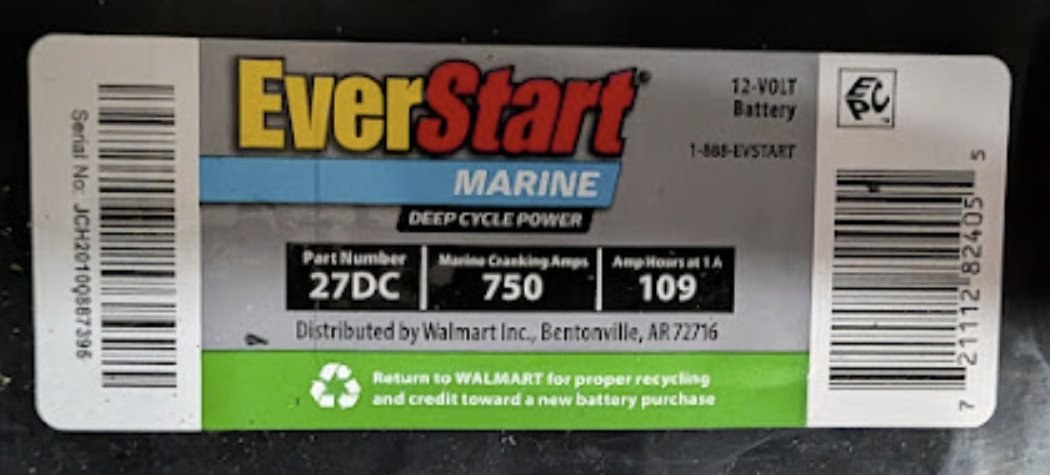
EverStart 27DC Pros
- Lower purchase price (~$100)
- Strong cranking performance
- Compatible with existing chargers and systems
EverStart Cons
- Heavier
- Only about 50% usable capacity for longevity
- Shorter cycle life and more frequent replacement
- Requires watering, ventilation, and terminal maintenance
- Slower charging and greater voltage drop under load
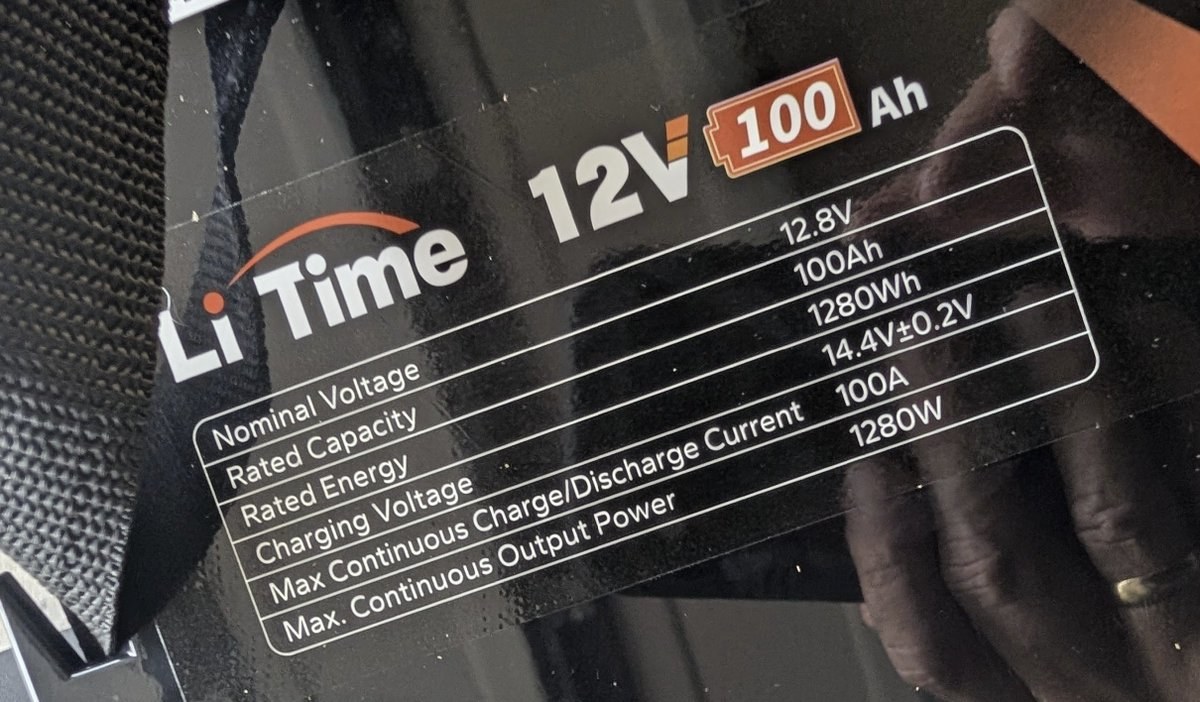
LiTime LiFePO4 Pros
- Much lighter (less than half the weight)
- Higher usable capacity and longer cycle life
- Maintenance-free and sealed
- Faster charging and higher efficiency
- Stable voltage output
LiTime LiFePO4 Cons
- Higher upfront cost (~$300–$350)
- Needs a compatible lithium charger or profile
- No charging below 32°F on standard models
Summary
I started out thinking the cheaper EverStart 27DC lead-acid battery would be the smarter, more economical way to power my portable 6-meter amplifier. After seeing the voltage sag, limited usable capacity, heavy weight, and maintenance hassle in actual use, I switched to the LiTime 12V 100Ah LiFePO4. I’m much happier now — the dramatic weight savings, stable voltage for full amplifier performance, longer runtime, and zero maintenance have made field operations far more enjoyable and effective.
If you run voltage-sensitive gear like a 6-meter linear amplifier and value portability and real-world performance, the LiFePO4 is worth the extra upfront cost.
Verify you're not a bot to load comments: