The Hidden Lifeline of Transatlantic Flights: ARINC HF Radio
April 2026

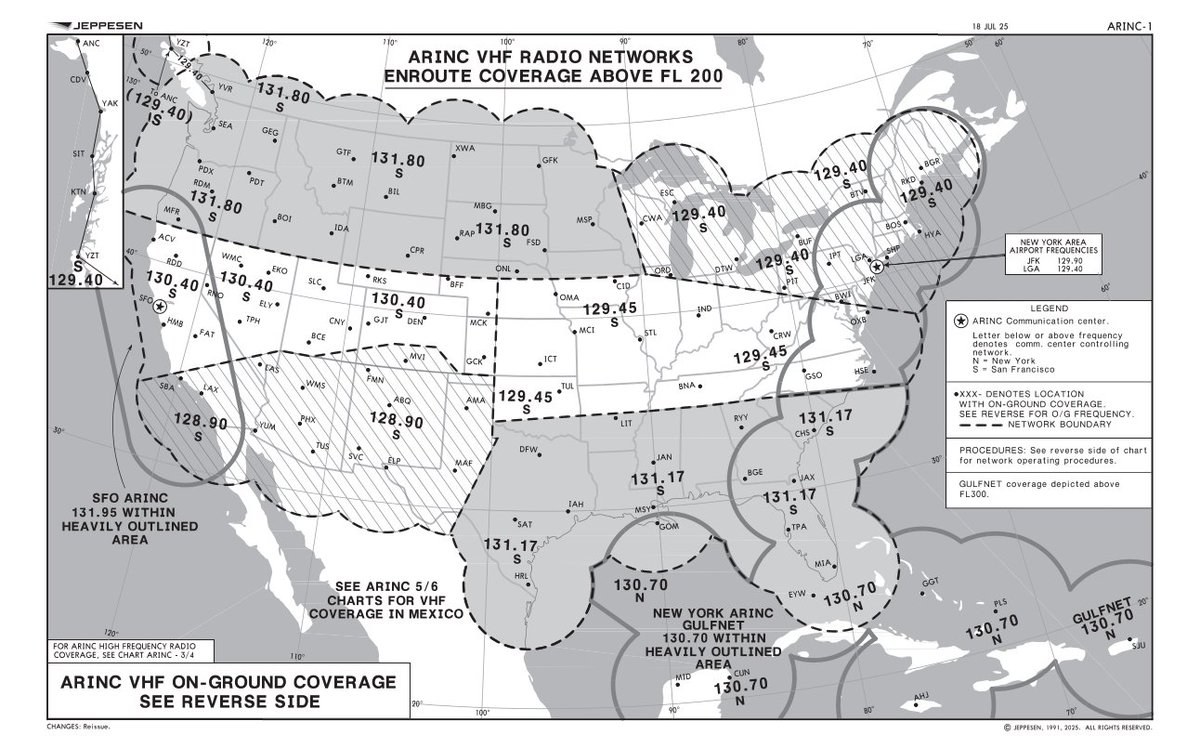
When you’re tracking an airliner crossing the Atlantic on Flightradar24, there’s a lot more happening than meets the eye. Thousands of miles from any land-based VHF tower, pilots stay connected to air traffic control and their airlines through a remarkable, nearly century-old system: ARINC High Frequency (HF) radio.
The live frequency chart at radio.arinc.net/atlantic/ gives a real-time look at this critical communications network.
A Brief History
In 1929, the major U.S. airlines came together to found Aeronautical Radio, Incorporated (ARINC). The goal was simple but visionary: share the enormous cost of building and operating radio infrastructure instead of every airline building its own network.
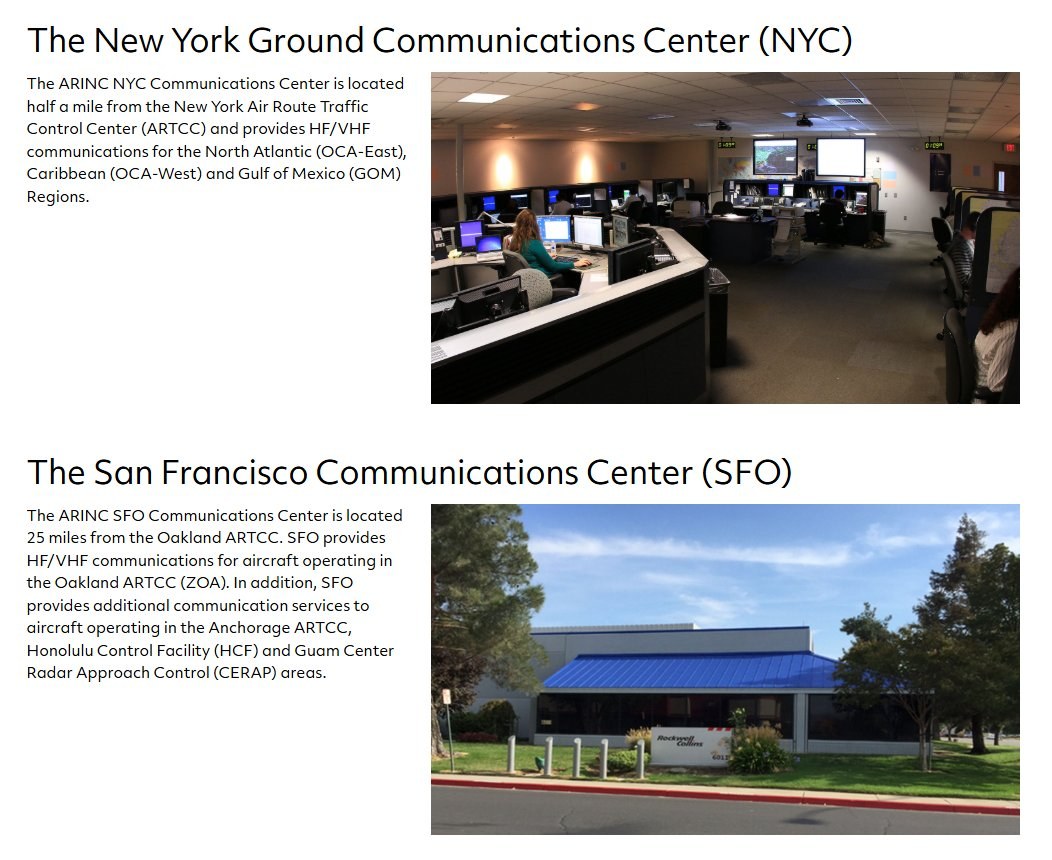
ARINC was chartered by the Federal Radio Commission (predecessor to the FCC) as the single licensee for non-government aeronautical radio communications. Today, ARINC is part of Collins Aerospace (RTX) and continues to operate key communications centers, including the New York facility located right next to New York ARTCC.
How HF Radio Works Over the Ocean
High Frequency radio (3–30 MHz) uses skywave propagation. Signals bounce off the ionosphere and can travel thousands of miles beyond the horizon — ideal for oceanic routes like the famous North Atlantic Tracks (NATs).
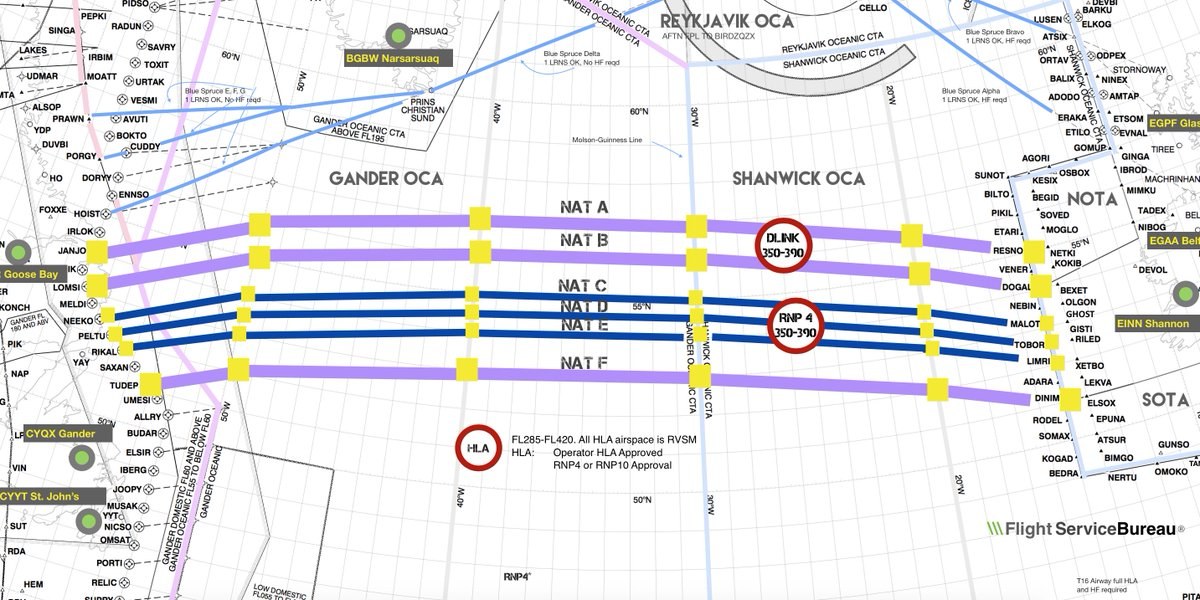
Unlike VHF (line-of-sight only), HF enables long-range voice communications without satellites. The system splits frequencies into:
- ATC frequencies (Primary + Secondary): Pilots make position reports and receive clearances through ARINC operators who relay to FAA Oceanic controllers.
- LDOC / Phone Patch frequencies: For airline operational control — talking to dispatch about fuel, weather, maintenance, or even personal phone calls home.
Daily Operations Today
The operational primary and secondary frequencies change several times per day (typically every 4-8 hours) based on ionospheric conditions and time of day. Lower frequencies perform better at night; higher ones during daylight hours.
The ARINC chart always shows the current valid time window. Pilots and dispatch get updates via:
- The public website
- Email broadcasts to airlines
- Direct calls to ARINC on VHF near the coast
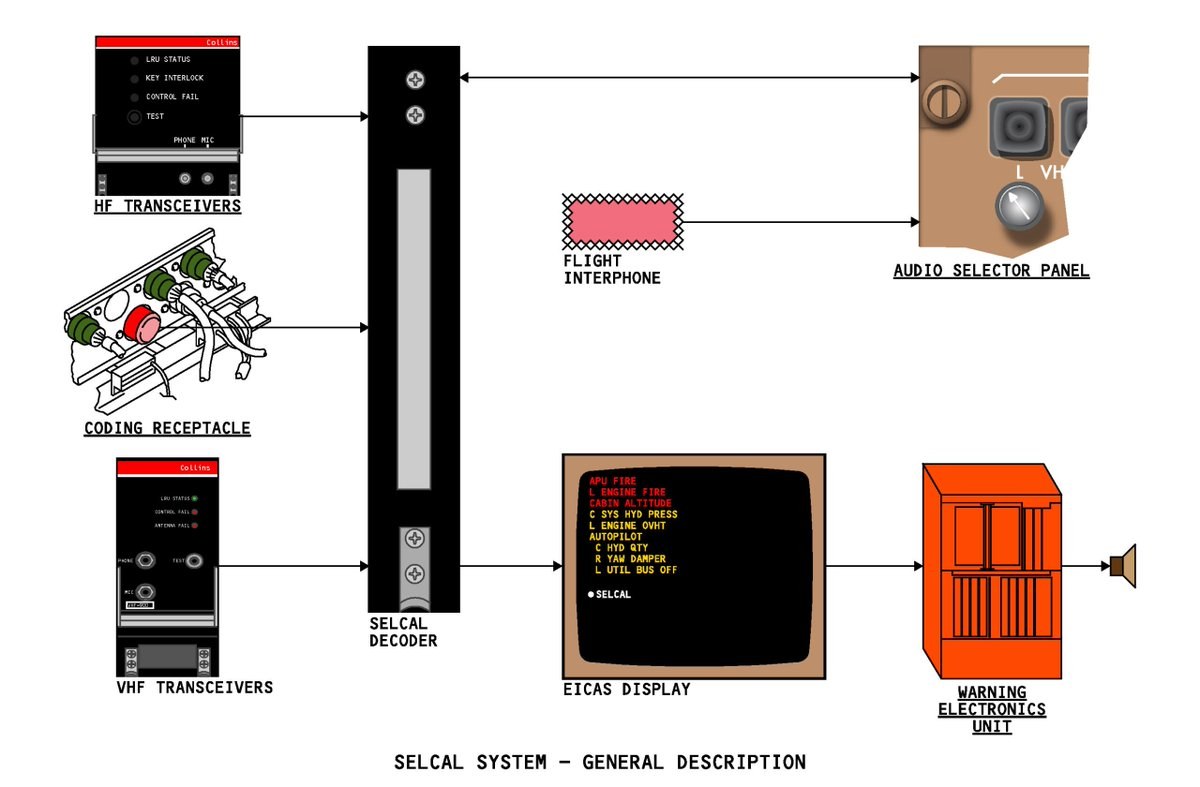
- SELCAL (Selective Calling)
SELCAL is brilliant: The aircraft doesn’t have to monitor the noisy HF channel constantly. ARINC sends a special tone code that “rings” the specific plane like a telephone. The crew then switches to the active frequency.
ARINC Voice Service
Still Relevant in the Satellite Era
Even with modern SATCOM voice and CPDLC data link, HF remains a required backup and is actively used, especially in remote oceanic airspace. It’s reliable, independent of satellites, and has kept transoceanic aviation safe for nearly 100 years.
Next time you see that little airplane icon over the middle of the Atlantic, remember the quiet HF conversations keeping everyone safe.
Live frequency charts:
- Atlantic: https://radio.arinc.net/atlantic/
- Pacific: https://radio.arinc.net/pacific/
Radio enthusiasts can listen in (USB mode) — it’s a fascinating slice of aviation history still operating today.
What’s your favorite piece of aviation radio history or story? Share below! ✈️📻
#AvGeek #Aviation #HF #Pilots #Shortwave
Verify you're not a bot to load comments: