Adventures in Antenna Switching
August 2024
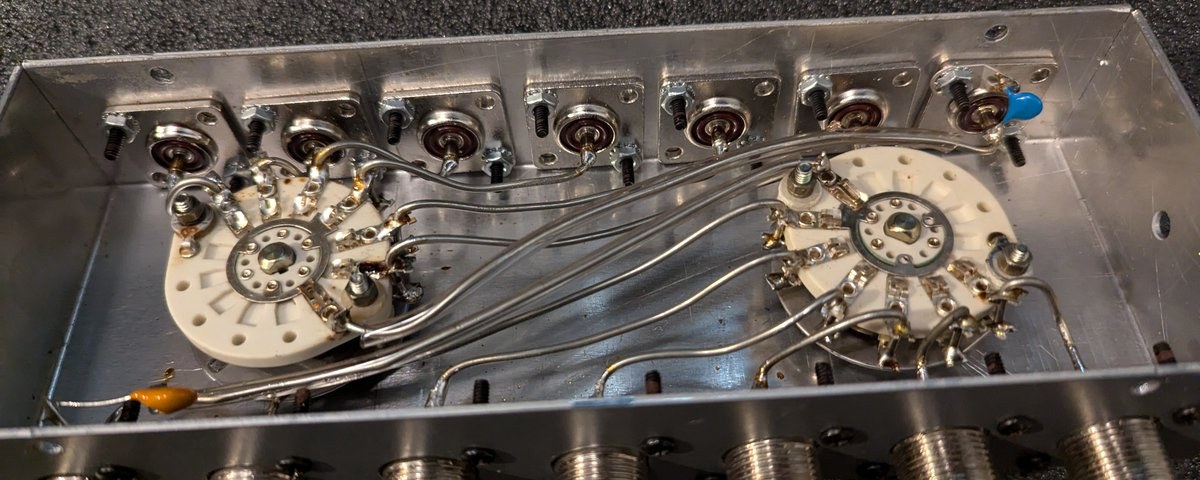
HEY DUMMY, you’re switched into the dummy load!
Recently, I’ve assembled a portable ham radio system to run WSJT-X for FT8 and WSPR digital modes. Being a relatively new ham, it’s taken me a while to get this new-to-me system working. The following experience reminds of the fact that I have a lot to learn and that I still enjoy the journey of learning.
This was my first try on HF digital with a vintage FT-857D connected to a Microsoft Surface Go 2 running Windows 11.
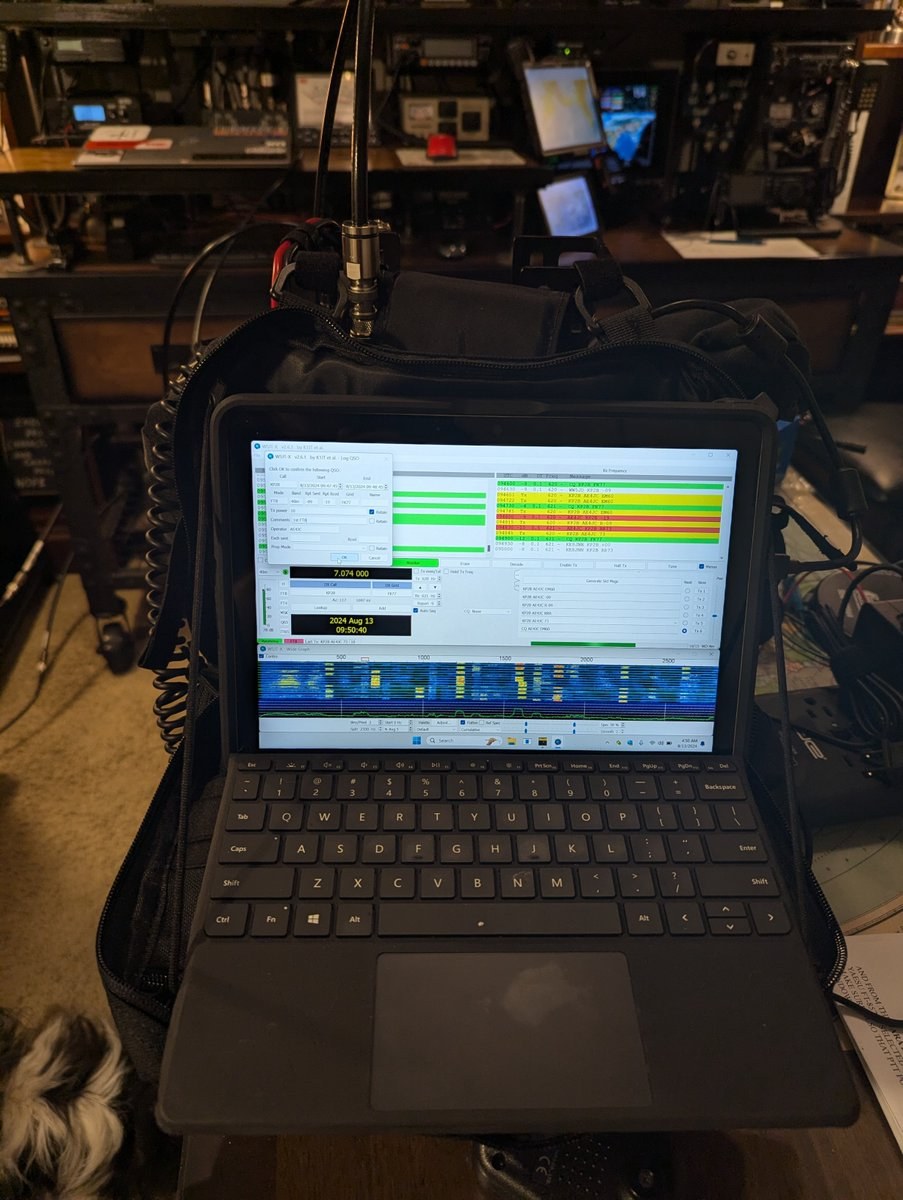
Before attempting to take the unit out into the field, it seemed best to prove out things, as much as possible, from home. One night, I plugged the rig into an open antenna switch port in the shack to try a few test transmissions while switched over to a dummy load. I struggled with the system to set volumes and output levels. ALC output was showing high on the radio, and I was having trouble getting it to adjust to the proper level. Frustrated, I set the project aside for the night and committed to learn as much as I could about AGC and ALC before trying again.
The next evening, I picked up the project again. Opening up WSJT-X, I was happy to see the system receiving FT8 signals from many parts of the US and the world.
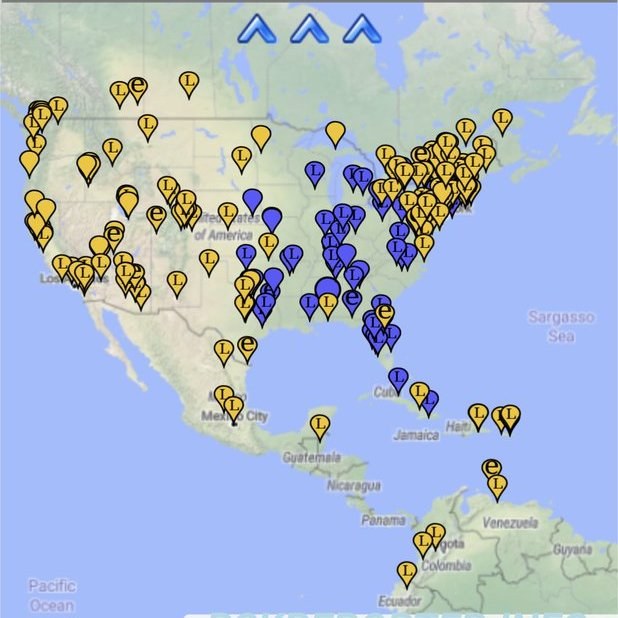
Expecting an easy go of it (armed with my new knowledge of AGC, ALC, and FT-857D Digirig settings), I began to transmit. After a few transmissions, I checked PSK Reporter again. I was disappointed to see that my signal wasn’t being decoded by anyone on the site. I then set about trying different combinations of TX levels, soundcard configurations, and radio settings.
Still, my signal wasn’t being reported anywhere.
Was my signal getting out? Or, did I have something wrong with the configuration?
Power output showed good. SWR showed good. The system was receiving well.
I wondered if there was another way I could check my signal output.
Sure, I have an HF rig in the garage connected to my house gutters. I should be able to check the signal from there. Also, I have this app on my phone that will decode FT8 from the phone’s microphone.
We’re in business for a new experiment!
So, I set the FT-857D system to call CQ and checked the receive on the rig in the garage. Sure enough, there’s my signal. So I’m getting out (or so I thought).
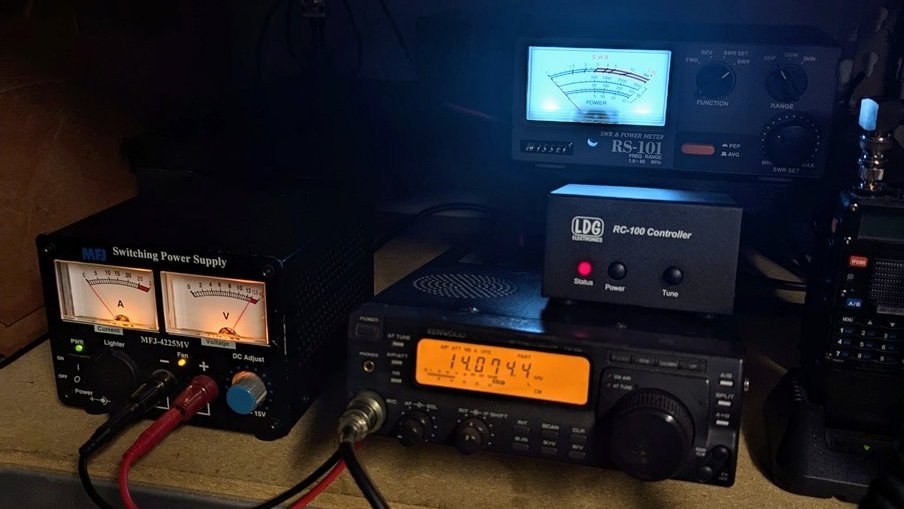
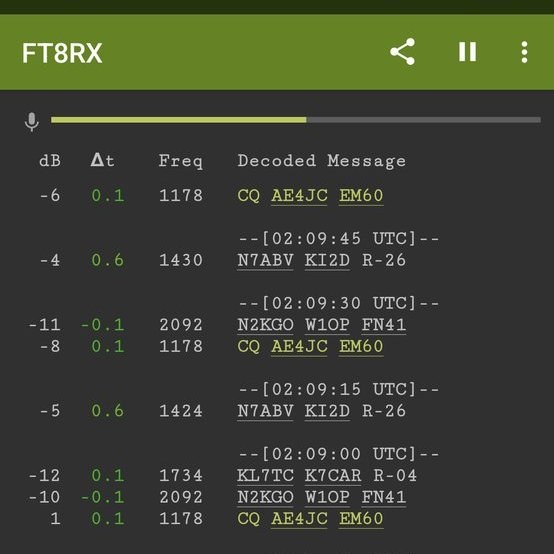
But why wasn’t anyone else reporting my signal as heard anywhere else in the world?
It was about the time I was ready to give up that I noticed …
HEY DUMMY, you’re switched into the dummy load!
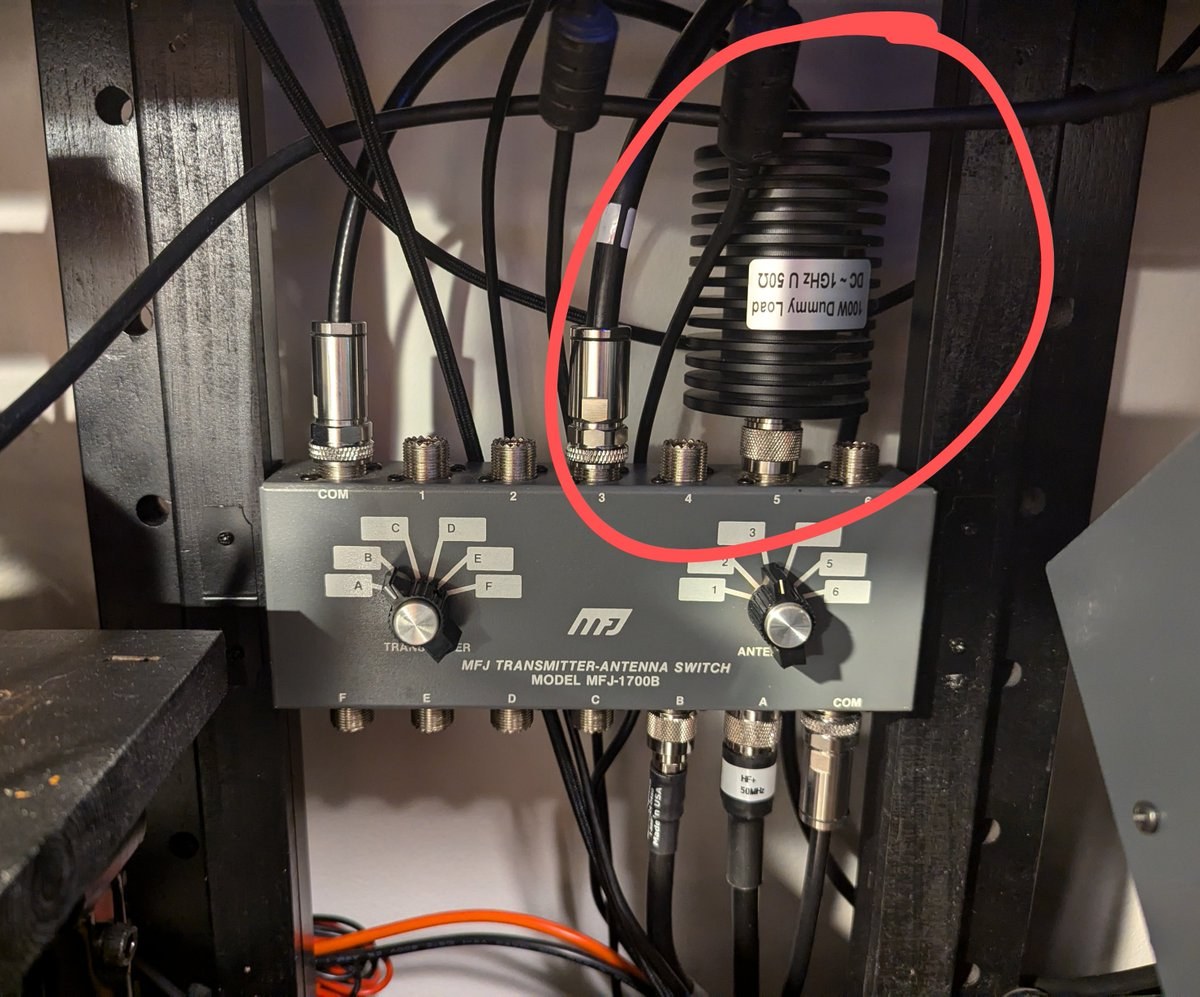
A quick flip of the switch, and everything worked!
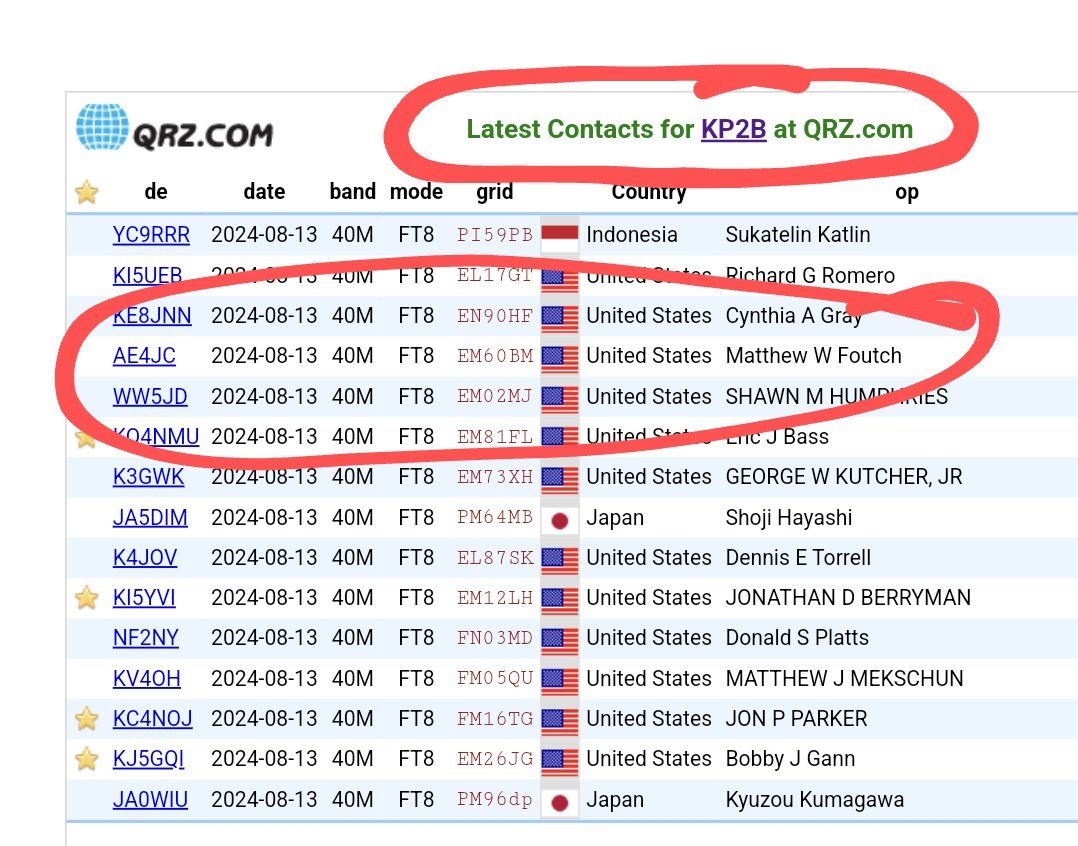
Exhausted, I confirmed my signal was getting out using WSPR and PSK Reporter before going to bed.
Finally, in the early morning of the next day, I was able to make my first FT8 contact.
So, what happened?
Somehow, the switch was passing RX traffic from the antenna through to the receiver even though I was switched into the dummy. I didn’t think the switch would behave like that. And, because I was receiving signals, I didn’t imagine that I had an antenna (or feed) problem.
For those several hours of trying different combinations of radio and computer settings and software, I couldn’t get my signal out because I was transmitting into the dummy load.
When testing the signal output by decoding my TX out with the separate receiver, I could hear and decode my own local signal transmit through the dummy load to the local rig because of the great ability of FT8 at hearing weak signals. Even when transmitting into a dummy load, FT8 could decode the local signal.
Many lessons were learned, and I enjoyed every minute of it. Now, on to the next adventure! 73!
Verify you're not a bot to load comments: